

Toy-Inspired Home Decor: Design Objects for Grown-Up Spaces
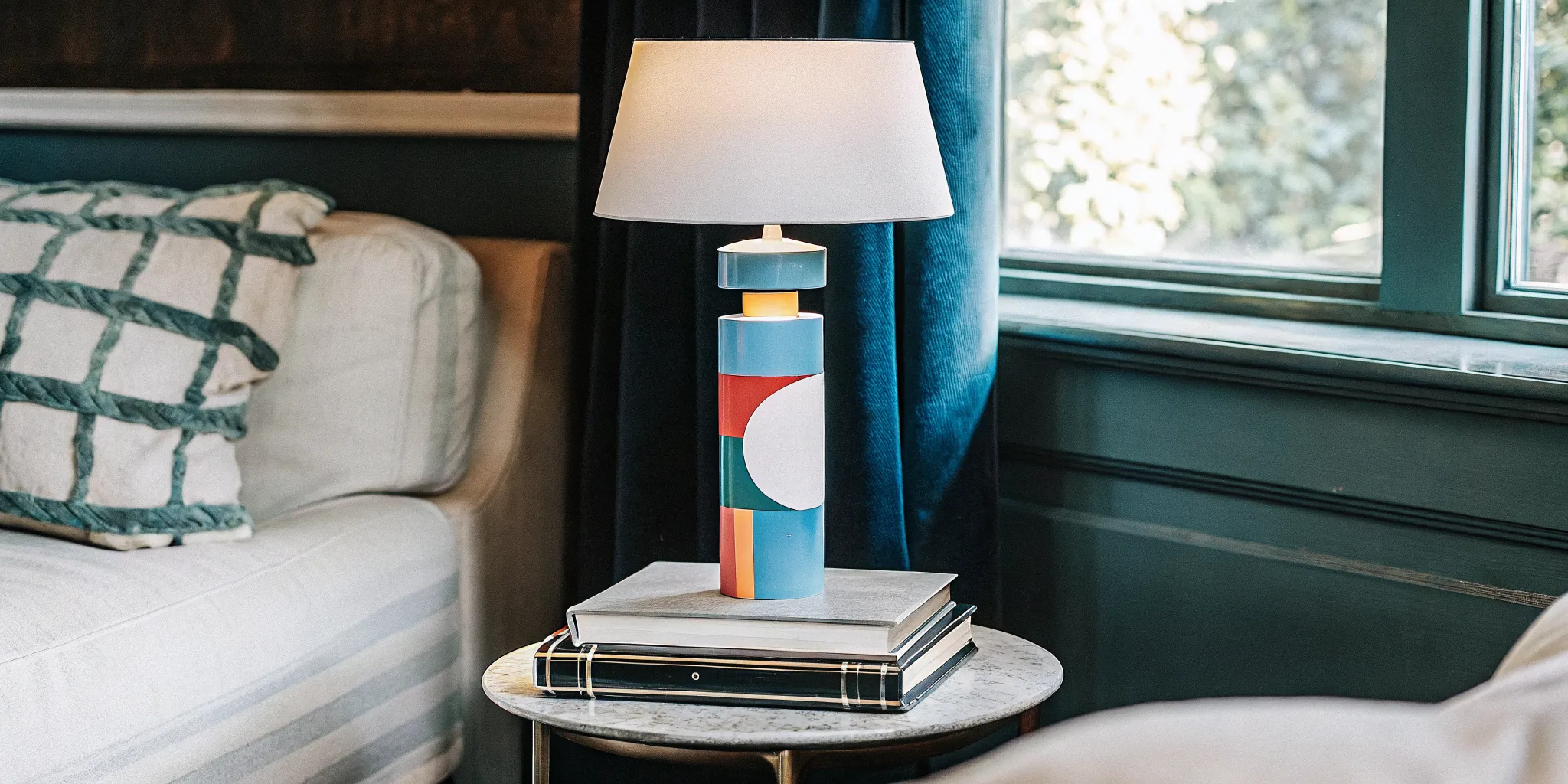
A room can feel polished without taking itself too seriously. A rounded lamp, a block of saturated color. Or an unexpectedly chunky silhouette can bring the visual energy of a favorite toy into an adult home while still working as a considered design choice.
Find out how toy-inspired home decor can bring personality to your space. Pre-order the Woaw Lighting Collection and make it yours.
Toy-inspired home decor works in grown-up spaces when playful forms are balanced by thoughtful scale, useful function, and a restrained surrounding palette. The result is not a themed room, but a space with personality, where sculptural lighting and joyful objects make everyday routines feel more expressive.
That balance is closely related to color-blocking interior design, a way of curating a home around the feelings it creates. The shift from childish novelty to sophisticated play begins with understanding why designers are borrowing the visual language of toys in the first place.
Why Toy-Inspired Home Decor Appeals to Adult Designers
For many Millennials and Gen Z shoppers, home is no longer a neutral backdrop. It is part of a personal style language, much like clothing, music, or the objects they choose to collect. That shift makes room for furniture and lighting with a little more attitude: rounded silhouettes, saturated color, chunky proportions, and forms that feel instantly familiar without looking childish.
The appeal of Gen Z home decor trends is not novelty for novelty's sake. Younger design-conscious audiences are often looking for pieces that communicate personality in a space that may otherwise rely on familiar minimalist foundations. A toy-like lamp or sculptural vase can become a visual signature, giving a room a sense of humor and making it feel considered rather than showroom-perfect.
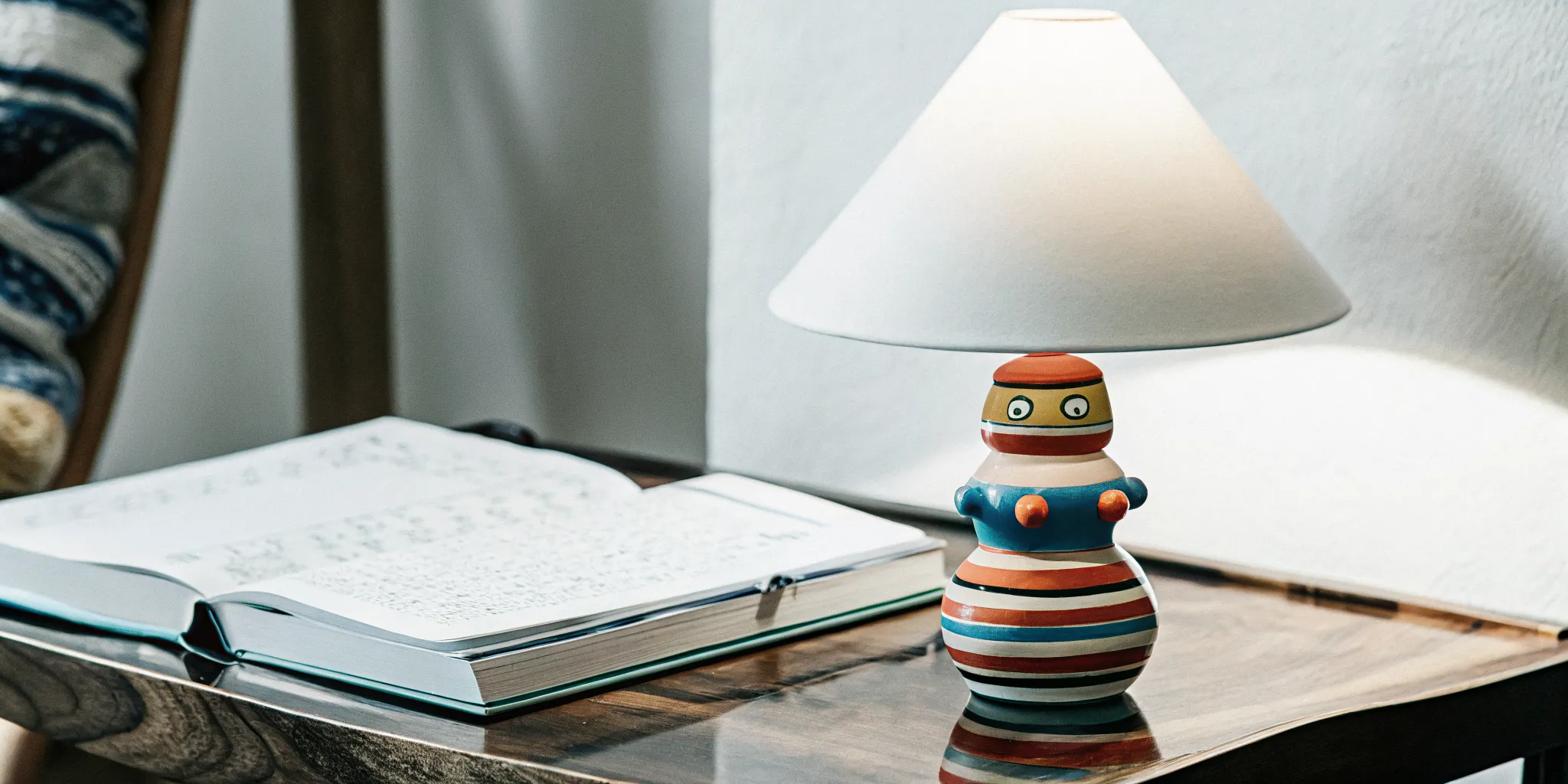
Playfulness makes functional objects feel more personal
Toys are designed to attract attention through proportion, color, and tactile form. When those principles move into adult interiors, they can make everyday objects feel emotionally engaging. A light is still a light, but a sculptural fixture can also create a small moment of delight each time it enters your field of view. That is where geometry matters. Arches, spheres, stacked forms, and exaggerated curves can bring the energy of play into a room while remaining visually disciplined.
This balance is central to toy-inspired home decor. The goal is not to recreate a child's bedroom. It is to borrow the visual confidence of toys and translate it into materials, silhouettes, and scale that suit an adult environment. A bold object can sit beside linen upholstery, natural wood, or a restrained neutral palette and still feel intentional.
Dopamine decor gives joy a design framework
The broader dopamine decor movement helps explain why this approach resonates. Its premise is simple: colors, textures, and objects can be selected for the way they make you feel, not only for how neatly they coordinate. The Interior Design Institute describes dopamine decor as a philosophy centered on surrounding yourself with elements that spark joy. Read more about adding bold color to a minimalist room for a deeper look at that idea.
For adults, the result can be a home that feels expressive without becoming chaotic. One playful lamp, a joyful color pairing, or a sculptural accent may be enough to shift the mood of an entire corner. The design language is borrowed from childhood, but the edit is distinctly grown-up: fewer objects, stronger shapes, and choices that feel personal enough to keep around.
The Toy-to-Object Design Movement: History and Context
The movement from toy to design object is not about making a room look childish. It is about recognizing that play has always been a serious source of visual invention. Toys reduce forms to their most memorable shapes, use color with confidence, and invite interaction. Those qualities now inform sophisticated furniture, lighting, and collectible objects made for adult spaces.
From Pop Art's playful scale to collectible design
Pop Art helped make familiar, commercial, and oversized forms worthy of serious artistic attention. Jeff Koons's balloon-animal sculptures are an obvious reference point: a simple party shape becomes polished, monumental, and conceptually charged. The lesson is not that every living room needs a giant balloon dog. It is that an object can carry humor, cultural memory, and formal precision at the same time.
That idea continues through contemporary collaborations between artists, designers, and furniture or lighting brands. Everyday references are enlarged, simplified, or rebuilt in unexpected materials. A toy car can become a study in proportion. A building block can become a modular table. A familiar candelabra can become a sculptural light with a stronger sense of color and personality. Toys and play are therefore useful starting points for color-blocked objects that feel expressive without losing design discipline.
Why vintage mod style keeps the look sophisticated
The strongest examples balance novelty with recognizable design history. Vintage references from the 1960s and 1970s, especially mod furniture, saturated color, graphic geometry, and rounded silhouettes, give playful pieces a chic framework. They remind us that bold forms are not a passing novelty. They belong to a longer design conversation about optimism, mass production, and the relationship between art and daily life.
This balance matters when choosing toy-inspired home decor. Pairing one vivid, whimsical object with quieter materials or architectural lines keeps the room intentional. The result feels collected rather than themed. A sculptural lamp can bring the energy of a toy while still working beside a restrained sofa, natural wood, or a gallery wall.
Accessible luxury makes the idea livable
The contemporary toy-to-object movement also challenges the assumption that high-design pieces must feel distant or untouchable. Accessible luxury blends gallery value with practical pricing, allowing more people to live with objects that have a clear point of view. That bridge is central to Nader Gammas's practice. With an MFA from Parsons and gallery representation at Todd Merrill Studio, his work connects an art-informed design perspective with objects intended for real homes.
In that context, playful lighting is not a decorative joke. It is a considered way to bring sculpture, color, and daily function into the same room. The object can make you smile first, then reward a closer look.
Research on dopamine decor similarly frames color, texture, and meaningful objects as tools for creating spaces that support joy, not just visual polish.
How Playful Geometry and Color Show Up in Lighting Design
Lighting is one of the easiest ways to bring toy-inspired home decor into an adult space without making the room feel like a playroom. A lamp has a job to do, but it also occupies the visual field all day. Its silhouette, scale, finish, and color can add personality while remaining anchored to a practical purpose. That combination makes lighting a natural entry point for the broader sculptural lighting trend, which treats the home as a personal sanctuary of objects, textures, and hues that spark joy.
Functional objects can carry a little more personality
Playful lighting starts with a familiar form and gives it a sharper point of view. Traditional candelabra proportions, rounded shades, stacked spheres, and architectural angles can all become more expressive through proportion and color. The goal is not novelty for its own sake. It is to make an object people already need feel more memorable.
That is where sculptural geometry earns its place. A light with a strong outline can act as a small piece of architecture, bridging high-design discipline and the everyday pleasure of a colorful object. In an adult-focused room, that geometry introduces joy without asking the rest of the decor to become equally loud. One distinctive lamp can do the playful work while neutral walls, wood, stone, or tailored upholstery keep the composition grounded.
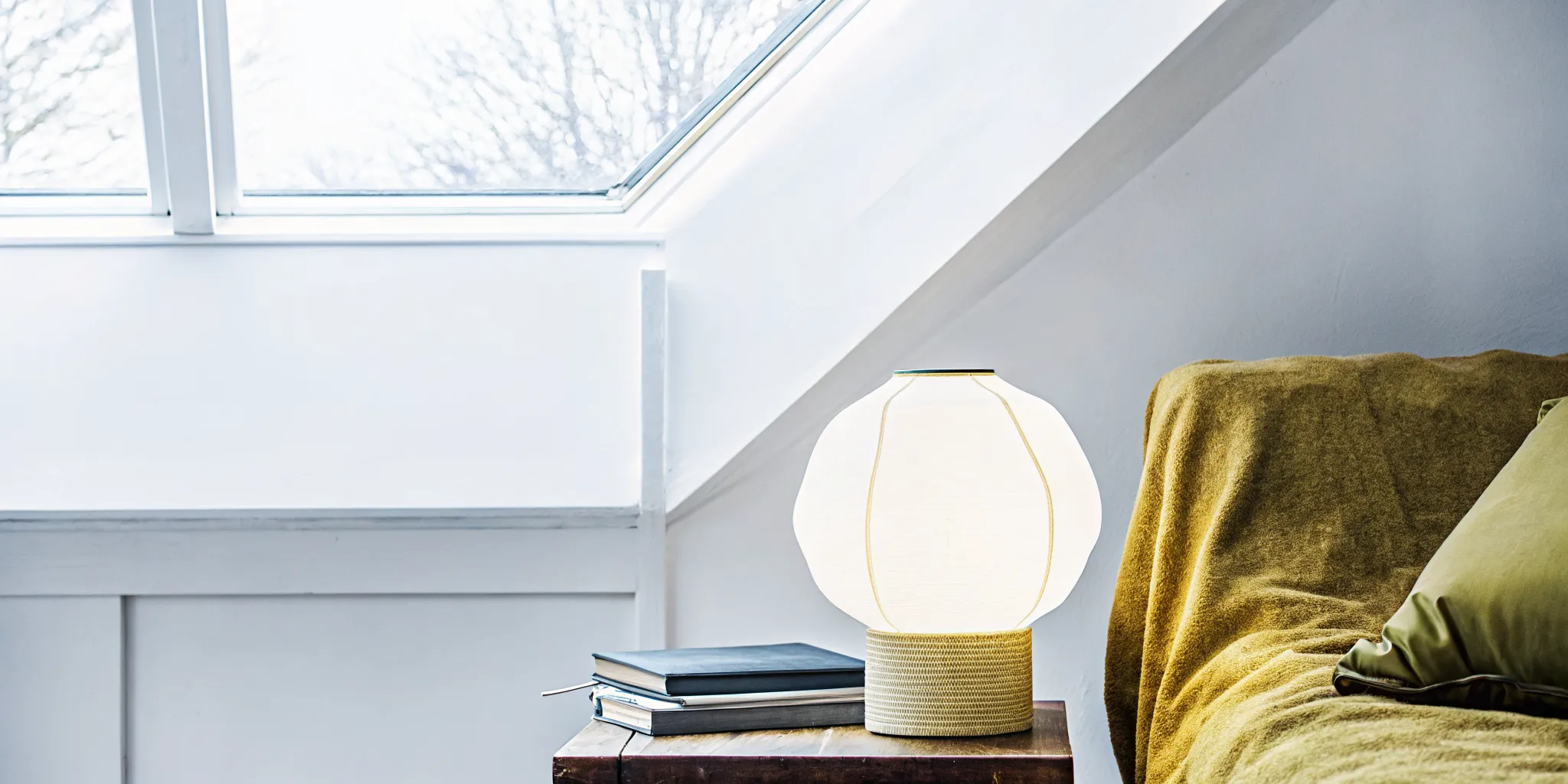
Color blocking turns a lamp into a focal point
Color can change how a familiar lighting shape reads. Instead of treating the shade, stem, and base as one uninterrupted object, bold color blocking gives each element its own visual role. The eye reads the parts almost like pieces of a beautifully assembled toy, while the complete silhouette still feels intentional and designed.
Woaw applies this approach by reimagining candelabra forms through bold color blocking. The result is lighting that feels bright and sculptural rather than merely decorative. It can provide a focal point over a console, add energy to a bedside table, or give a reading corner its own identity. For shoppers exploring toy-inspired home decor statements, the collection shows how a playful idea can become a functional design object.
Material and flexibility keep the look grown-up
Playful geometry works best when the materials provide substance. Woaw pairs steel bodies with ceramic shades, giving the color and form a tactile, durable foundation. The collection also uses universal 120V-240V compatibility, making the lighting adaptable across different home settings and electrical standards. These practical details matter because they keep the piece from being a visual gag. It is still a considered lamp, not just a colorful prop.
That balance is the appeal of playful lighting: it is functional, focal, and flexible at once. Start with one piece that genuinely makes you smile, then let the rest of the room respond at its own volume.
Woaw's Candelabra Reimagined: How Toy-Inspired Color-Blocking Becomes Sophisticated Decor
The traditional candelabra carries a certain formality: symmetrical arms, ornamental details, and a silhouette that can make a room feel instantly dressed. Nader Gammas keeps the recognizable spirit of that form, then gives it a more playful point of view. Instead of treating the candelabra as a relic for a grand dining room, he reimagines it as a bright, sculptural object with the energy of a favorite toy.
That idea is central to the Woaw Lighting Collection. Its toy-inspired, color-blocked forms turn an everyday lighting category into something that feels collected, expressive, and a little unexpected. The pieces are not trying to imitate children's furniture or make an adult space look like a playroom. They borrow the confidence of toy design: clear shapes, bold color relationships, and an immediate sense of delight.
Why does the candelabra form work so well for playful design?
A candelabra already has visual rhythm. Its branching arms create balance, repetition, and movement, while the central structure gives the eye a place to settle. Woaw uses that built-in geometry as a foundation for something less predictable. Color blocking separates the forms so each component can be read almost like a carefully arranged building piece. The result is graphic without feeling flat, and sculptural without becoming overly serious.
That balance is what makes the collection useful in sophisticated decor. Place a bright lamp on a quiet console, a bedside table, or a dining surface, and the color becomes a focal point without requiring an entire room makeover. The sculptural geometry brings joy into adult-focused spaces while still speaking the language of design. It can sit comfortably alongside restrained materials, vintage accents, or a room that already has plenty of personality.
What makes Woaw feel designed rather than merely whimsical?
The answer is in the tension between playful appearance and considered construction. Woaw lamps are handcrafted with steel bodies and ceramic shades, giving the toy-like silhouette a substantial, tactile presence. The collection also supports universal 120V-240V compatibility, making the design practical across different homes and regions. These details keep the work grounded. The color may be joyful, but the object is made to function as lighting, not simply as a novelty.
Woaw is available through a pre-order model, with pieces shipping within two months. That approach suits a collection made with deliberate, handcrafted attention rather than mass-produced urgency. It also invites a more intentional purchase: choose the form and color that bring the right kind of energy to your room. Then give the piece time to become part of the space. This is toy-inspired home decor with grown-up staying power, where simple forms make room for big vibes.
Curating a Grown-Up Space With Playful Design Objects
The trick to toy-inspired home decor is not making every object whimsical. It is choosing a few pieces with enough shape, color, or story to give a room personality, then giving them room to breathe. Design-conscious homeowners, particularly Millennials and Gen Z shoppers, increasingly treat interiors as an extension of personal style rather than a neutral backdrop. Your home can be polished and still have a sense of humor.
Think of dopamine decor as a personal sanctuary of joy, not a permission slip to buy every bright object in sight. Toys and play can inspire sophisticated, color-blocked forms when the materials, scale, and surrounding composition feel intentional.
| Design Choice | Effect | Tip |
|---|---|---|
| One oversized statement piece | Creates personality and a clear focal point | Let it lead the room; keep nearby accessories quieter. |
| Bright color with linen, wood, or stone | Feels warm and considered instead of sugary | Repeat one color subtly, then balance it with neutral textures. |
| A small group of quirky objects | Builds a collected, personal story | Cluster three or five pieces on one shelf rather than scattering them everywhere. |
| Sculptural lighting | Turns playfulness into useful architecture | Use the fixture as the room's anchor and style outward from its form. |
Start with one bold statement
Choose one object per room that carries the playful idea. In a living room, that might be a sculptural lamp. In a bedroom, it could be a colorful side table or an unexpected ceramic vessel. A single confident gesture reads as design; five competing focal points read as visual noise. Place the statement piece where it can be noticed from the room's main entrance, then allow negative space to make its silhouette feel deliberate.
Balance color with neutral texture
Bold color becomes more grown-up beside tactile, quiet materials. Pair a saturated shade with boucle, linen, oak, plaster, or a softly patterned rug. Neutrals do not have to mean beige everywhere. Their job is to provide visual punctuation so the playful object remains expressive without taking over. If the room already has strong color, use shape and material rather than adding another hue.
Let lighting do the anchoring
Lighting is especially effective because it combines character with a practical role. A toy-inspired fixture can bring sculptural geometry to a room while still defining how the space is used. The Woaw collection pairs steel bodies with ceramic shades, translating the visual energy of play into a functional object. Explore the Woaw collection buying guide to compare silhouettes and placements before choosing your anchor.
Finally, edit with affection. Keep the objects that make the room feel more like you, and remove anything that only performs "playful." The result should feel collected, comfortable, and unmistakably yours.
Frequently Asked Questions
How can playful decor look sophisticated rather than childish?
Choose pieces with intentional proportions, durable materials, and a clear color strategy. One sculptural object can provide personality without making the room feel themed. Balance brighter forms with quieter upholstery, natural textures, or simple architectural lines.
What kinds of objects work best for a grown-up playful space?
Start with functional pieces that also have a strong silhouette, such as sculptural lighting, a distinctive chair, or a colorful side table. These objects add visual character while still earning their place through everyday use. A small number of memorable pieces usually feels more considered than a room full of novelty accessories.
How should I use color-blocked decor in a room?
Repeat one or two colors from the object elsewhere in the room, then let the remaining palette stay restrained. You can also use a color-blocked lamp as the focal point and keep nearby surfaces simple. This makes the playful geometry feel like a design decision instead of visual clutter.
Are Woaw lighting pieces available to order now?
Yes, Woaw lighting pieces are available for pre-order and ship within two months. The collection uses steel bodies, ceramic shades, integrated LEDs, universal 120V-240V compatibility, and US, UK, or EU plug options. Review the specific product details before placing a pre-order.
Ready to Bring a Little Big Vibe Home?
A playful design object can give a grown-up room a clearer point of view without making it feel overworked. If the Woaw approach feels right for your space, pre-order your Woaw Lighting Collection statement piece and make it part of the room's story.