How Sculptural Lighting Transforms a Room into Fine Art
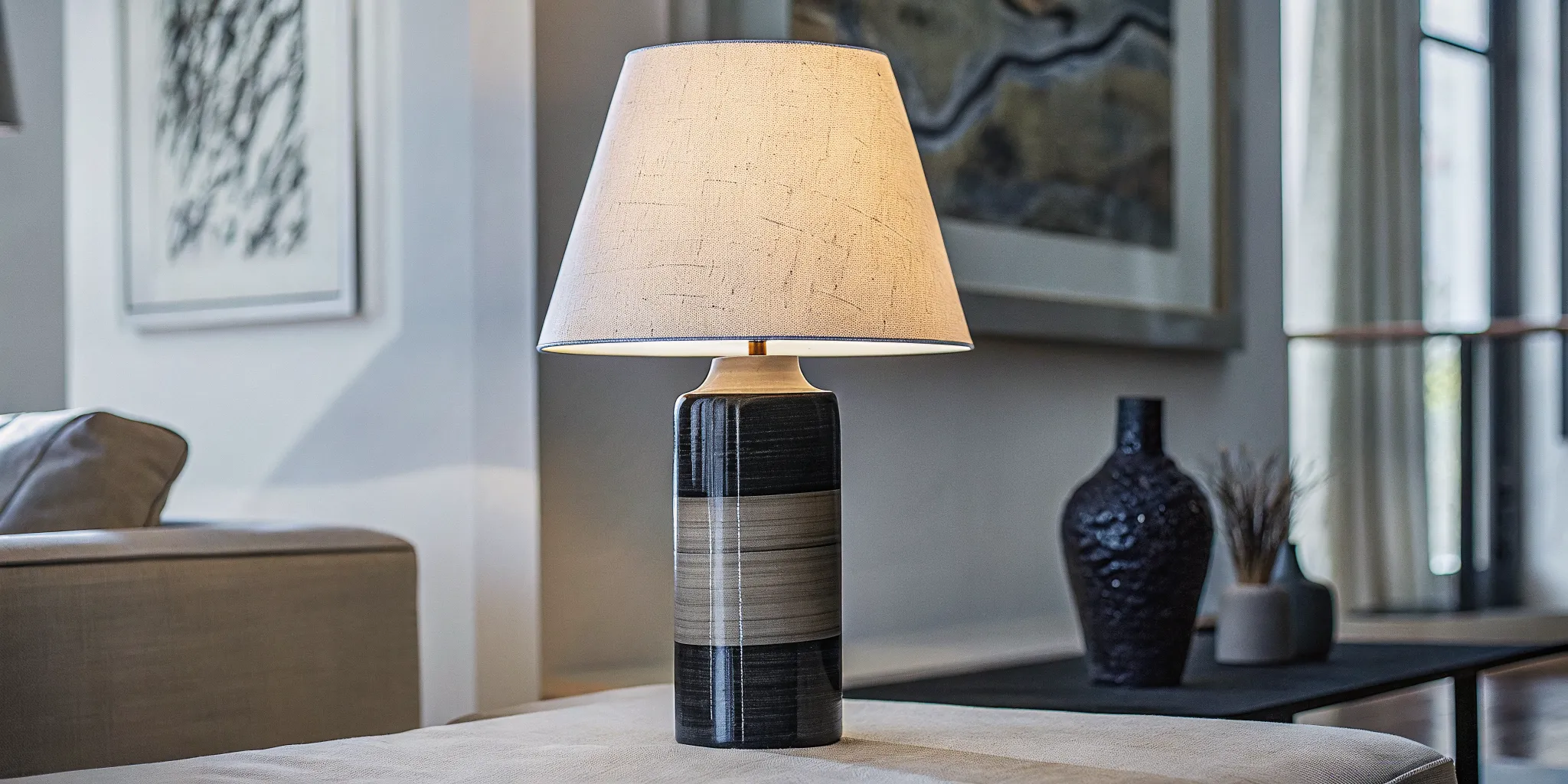
A room can have beautiful furniture, thoughtful color, and still feel unfinished when its lighting is treated as an afterthought. The right lamp changes that equation. It gives the eye a focal point, adds personality when switched off, and turns an everyday act, reaching for a light, into a small design moment.
Sculptural lighting treats a lamp as functional art: bold shape, expressive silhouette, and carefully chosen materials matter as much as the light it casts. In the Woaw Lighting Collection, steel bodies, ceramic shades, and playful color-blocking reimagine traditional candelabra forms as toy-inspired objects with genuine design presence.
Pre-Order the Woaw Lighting Collection to bring a gallery-minded statement piece into your home. The distinction is not simply about choosing an unusual shape. It is about whether the lamp has enough character, structure, and material honesty to hold the room's attention on its own. That is where the line between a sculptural object and a merely decorative accent becomes clear.
What Makes a Lamp Sculptural Rather Than Just Decorative
A decorative lamp can complete a room's palette, add warmth, or provide a useful pool of light. A sculptural lamp begins with a different question: what should this object look and feel like in the room, even before it is switched on? Its three-dimensional form, material, proportion, and silhouette carry the design, while illumination supports the experience rather than defining it.
Primary purpose: Decorative = provide illumination with style. Sculptural = make a visual statement that also illuminates.
Form priority: Decorative = shape supports the decor scheme. Sculptural = shape is the central design feature.
Material role: Decorative = finish and color match the room. Sculptural = material honesty defines the object's character.
Off-switch presence: Decorative = blends into background. Sculptural = remains a focal point in daylight.
Price positioning: Decorative = accessory purchase. Sculptural = collectible design investment.
Form comes before function, without abandoning function
That distinction does not make sculptural lighting impractical. It makes practicality part of a larger composition. A decorative fixture may disappear into the scheme once its light is on. A sculptural fixture remains present as an object, shaping the room through its outline, scale, and relationship to nearby furniture. It has a point of view.
Material is central to that point of view. Steel can create a precise body with architectural clarity, while ceramic introduces visual weight, tactility, and a softer sense of craft. When those materials meet, the lamp reads as a constructed object rather than a generic shade attached to a base. Color-blocking can sharpen the effect further. Separating the parts of the design into playful planes and turning a familiar lighting form into something closer to a small, inhabitable sculpture.
An old idea in a very modern form
The idea of a functional object carrying artistic and cultural meaning is hardly new. A Menorah is a useful analogy: its shaped structure holds historical, religious, and aesthetic significance beyond the light it produces. Wescover describes sculptural lighting as a modern corollary to that kind of object, where the form itself communicates meaning. The distinction is explored in Wescover's overview of sculptural lighting.
The Woaw Lighting Collection brings that architectural lineage into everyday interiors. Its steel bodies and ceramic shades reinterpret the traditional candelabra through bold color-blocking and toy-inspired proportions. The result is not ornament added after the fact. It is a lamp conceived as a visual statement that happens to illuminate beautifully, giving a side table, console or reading corner a little more personality when the light is off and a little more atmosphere when it is on.
How Gallery Designers Approach the Lamp as an Art Object
Gallery designers do not begin with the question, "How much light does this fixture produce?" They begin with form. How does the object occupy space? What does its silhouette say from across the room? Which details invite a closer look? Illumination matters, but it is part of the experience rather than the entire reason for the object's existence.
That distinction places sculptural lighting closer to collectible design than disposable decor. A well-considered lamp can bring the presence of a small sculpture to a console, bedside table, or reading corner, while still performing a useful daily job.
Negative Space Gives the Form Room to Speak
Negative space is not empty space. It is the shape created around and between the lamp's parts. A designer considers the openings beneath an arm, the distance between a shade and its base, and the way light passes through the composition. These intervals keep a complex silhouette from becoming visually heavy. They also allow the surrounding wall, tabletop, or architectural detail to become part of the artwork.
This is one reason a sculptural lamp can feel expressive without overwhelming a room. Its impact comes from the conversation between solid form and open air, not from adding more ornament.
Material Honesty Creates Tactile Credibility
Gallery-minded design also lets materials look like themselves. Steel brings structure and a crisp, architectural edge. Ceramic introduces a softer visual weight and a surface that feels made rather than mass-produced. In the Woaw Lighting Collection, steel bodies and ceramic shades support the balance between playful color blocking and disciplined construction.
Nader Gammas' background in architecture and gallery-represented design gives this approach a clear foundation. The collection treats everyday lighting as a designed object with proportion, material, and character, not as a shell built around a bulb.
The Lamp Must Have a Life When It Is Off
Gallery designers also judge an object in daylight. When the switch is off, does the lamp still hold the eye? A strong silhouette, confident color relationship, and distinct material profile should give it presence without relying on a glowing shade. That quality makes the piece feel intentional at every hour, whether it stands alone or works within a larger arrangement.
The same principle connects lighting to the joy-led approach explored in Dopamine Decor and Color-Blocking: personality does not need to be loud to be memorable. A considered lamp can become a room's visual anchor, a conversation starter, and a small daily pleasure. That is the difference between buying something to fill a surface and choosing an art object that earns its place there.
The Case for a Lamp That You Would Display Even When It Is Off
Here is the simplest test for sculptural lighting: would you still want the object in the room if it were unplugged? If the answer is no, the fixture may be useful, but it is not yet doing the work of a true design piece. A sculptural lamp should have enough character to hold attention in daylight, before the first switch is touched.
That presence begins with silhouette. A strong outline gives the eye something to recognize from across the room. Whether the lamp is perched on a console, centered on a side table, or standing beside a reading chair. Proportion matters too. The object should feel intentional against its surroundings, with enough visual weight to anchor the setting without swallowing it. In that sense, the lamp becomes a small architectural feature, defining a corner through shape and scale as much as through light.
Material gives the object a second life
When a fixture is off, its materials have nowhere to hide. Steel brings structure and a clean, durable body, while ceramic adds a more tactile, grounded quality to the shade. Together, they make the lamp feel like an object with substance rather than a temporary accessory waiting for its bulb to perform. The contrast between a firm body and a more expressive shade also creates texture and visual rhythm in a room.
The Woaw Lighting Collection leans into that material conversation. Its steel bodies and ceramic shades are part of the design language, not merely a housing for the integrated LED. That distinction is central to the art-object approach: the light source supports the form, while the form remains compelling on its own.
Color turns function into personality
Bold color-blocking gives the collection another reason to stay visible during the day. Rather than treating color as a small decorative accent, Woaw uses it to divide, emphasize, and animate the traditional candelabra-inspired form. The result is playful and toy-inspired, but not childish. It has the clarity of a designed object and the energy of something that makes a room smile.
This is especially useful in a restrained interior. One colorful lamp can provide the personality a neutral room lacks without requiring a complete redesign. For ideas on using one expressive object to wake up a calm space, explore Dopamine Decor and Color-Blocking. In a more layered room, the same color-blocked silhouette can join the conversation rather than disappear into it.
The investment also makes more sense when the lamp works in two modes. It should illuminate the room beautifully, then continue earning its place when the room is bright. If you are comparing what separates a lasting design purchase from a basic table lamp, this designer table lamp cost guide offers useful context. A piece with a memorable silhouette, honest materials, and real personality is not a temporary trend. It is a permanent art object that happens to know how to turn on.
How the Woaw Collection Bridges the Gap Between Gallery Art and Everyday Living
Gallery lighting can be beautiful, but it can also feel untouchable: admired from a distance, protected by the rules of a white-walled room. The Woaw Lighting Collection takes a different approach. It brings the presence of an art object into the places where real life happens. From a busy bedside table to the corner of a living room, it adds character exactly where you need it.
Explore the Woaw Lighting Collection and pre-order a sculptural piece made to live with, not simply look at.
Designed with an architect's eye, made for daily rituals
Nader Gammas' background in architecture and lighting design gives the collection its structural confidence. Each lamp is considered as a complete object. With a silhouette that holds attention when the light is off and a presence that changes as the room around it changes. The result is not precious in the fussy sense. It is playful, tactile, and immediately legible. Think bold color blocking, toy-inspired forms, and a familiar candelabra language remixed with much more personality.
That balance is central to the philosophy behind Woaw: Simple Things. Big Vibes. The forms begin with everyday visual cues, then push them into something more expressive. A lamp can be useful at breakfast, dramatic during dinner, and still feel at home beside a stack of books or a slightly chaotic collection of objects. It does not require a gallery setting to make an impact.
Material honesty meets practical performance
The collection's steel bodies and ceramic shades give each piece a substantial, tactile character. Integrated LEDs keep the lighting profile streamlined, allowing the shape and color to remain the focus rather than competing with a visible bulb. Universal 120V-240V compatibility, with US, UK, and EU plug options, also makes the designs practical for homes and interiors across markets.
This is where gallery-quality ambition becomes everyday luxury. The lamp has the visual weight of a collectible object, but it still performs a clear job: creating atmosphere. Adding a focal point, and making a room feel more like its occupants. For a closer look at the forms, finishes, and options, read the Woaw Lighting Collection buying guide.
Handcrafted, considered, and worth waiting for
Woaw lamps are made through handcrafted production in the UAE and are offered by pre-order, with fulfillment within two months. That model supports a more considered path from design to finished object instead of treating lighting as disposable decor. It also makes the collection feel personal: a statement piece chosen deliberately, then welcomed into the rhythm of a home.
If you are drawn to rooms where one joyful object can change the whole mood, continue with our guide to Dopamine Decor and Color-Blocking. The same principle applies here: start with a simple form, give it color and character, and let it bring the big vibes.
Styling Sculptural Lighting in a Non-Gallery Home
You do not need soaring ceilings, white walls, or a private collection of contemporary art to make a sculptural lamp feel at home. The right piece can bring a little exhibition energy to an ordinary entryway, a lived-in sofa corner, or a compact bedroom. Think of it as a design decision with a practical job attached.
Let the lamp set the mood, then give it enough breathing room to make an impression.
Start where the room makes its first impression
An entryway is a natural home for a statement lamp because it introduces the personality of the space before anyone reaches the living room. Place a table lamp on a slim console, or choose a floor lamp for a larger entrance with an open corner. Keep the surrounding styling edited: one tray, a small bowl, or a single piece of art is plenty. The goal is a welcoming focal point, not an obstacle course of objects.
In the living room, a sculptural lamp works beautifully on a side table beside the sofa or in an unused corner. Position it where its silhouette can be seen from more than one angle. If you are considering a floor-standing piece, this guide to sculptural floor lamps can help you think through scale, placement, and visual weight.
Use scale to make small spaces feel intentional
A small room does not rule out expressive lighting. It simply rewards sharper editing. On a nightstand, choose a lamp with enough presence to read as a statement, but a footprint that leaves room for the essentials. In a studio apartment, a compact table lamp can define a reading zone without consuming valuable floor space. Look at the relationship between the lamp and nearby furniture rather than judging its size in isolation. A bold silhouette can feel surprisingly light when the base, shade, and surrounding surfaces are well balanced.
Choose contrast or commit to more-is-more
Minimalist rooms benefit from one joyful interruption. Against quiet upholstery, pale walls, or simple wood, a color-blocked lamp becomes the star. For more ideas, explore bold colors in a minimalist room. Keep the rest of the vignette calm so the shape and color have room to speak.
Maximalist rooms can take a different approach. Pair the lamp with patterned textiles, collected objects, and energetic artwork, looking for a shared color or repeated curve rather than an exact match. That creates synergy without making the room feel staged. Whether your home leans pared-back, playful, or gloriously busy, great sculptural lighting adapts to the design style already there. It adds character without asking the whole room to become a gallery.
Frequently Asked Questions
What is sculptural lighting?
Sculptural lighting treats a lamp as both an illuminating object and a piece of art. Its silhouette, materials, color, and presence matter even when the light is switched off. Instead of disappearing into the room, the fixture helps shape the room's personality.
How does sculptural lighting differ from standard lighting?
Standard lighting usually prioritizes coverage and practical performance, while sculptural lighting gives equal weight to form and atmosphere. Unusual geometry, tactile materials, expressive proportions, or bold color blocking can turn the fixture into a visual focal point without sacrificing useful illumination.
Where should I place a sculptural lamp?
Start where you want to create a first impression or visual pause. An entryway, living-room side table, dining area, bedroom nightstand, or workspace can all work well. Give the lamp enough breathing room to read as an object, and balance its scale against nearby furniture.
Can sculptural lighting work in a small space?
Yes. A carefully scaled table or wall lamp can add personality without consuming much floor area. In a compact room, let one expressive fixture lead and keep surrounding surfaces relatively calm. This creates contrast and character instead of visual clutter.
Is the Woaw Lighting Collection available for immediate purchase?
The Woaw Lighting Collection is available by pre-order rather than immediate shipment. Products ship within two months, so shoppers can choose a steel-bodied lamp with a ceramic shade and integrated LED while planning around its fulfillment window.
Ready to Bring Sculptural Lighting Home?
A sculptural lamp can give an everyday room a stronger sense of character, even when the light is switched off. Explore the bold, playful forms of the Woaw Lighting Collection and choose a piece designed to live like art in your space. Pre-Order the Woaw Lighting Collection and give your room a little more personality, presence, and big vibes.