

Accessible Luxury Home Decor: What It Means and How to Shop
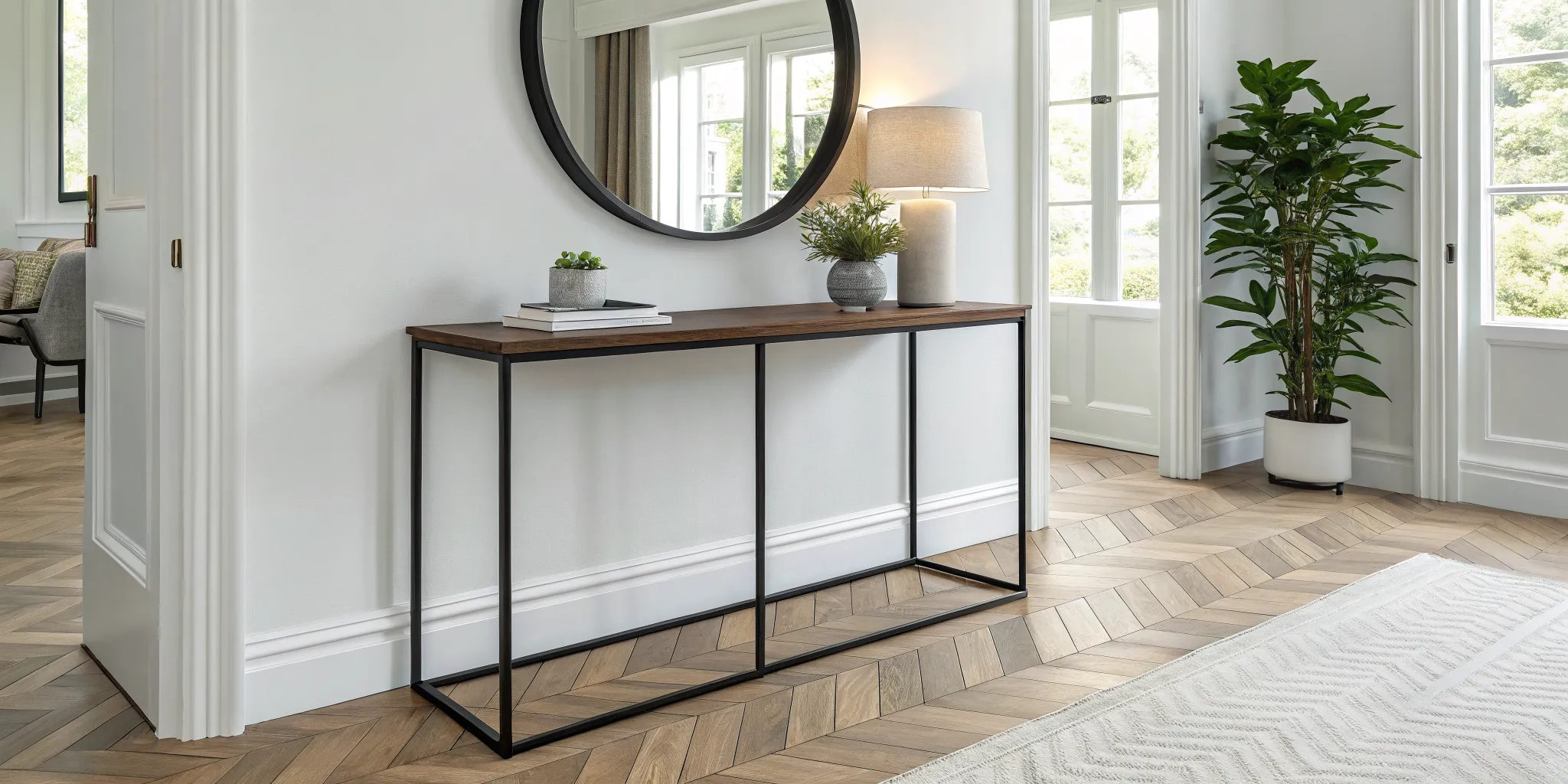
A lamp can do more than brighten a room. The right piece can give a quiet corner a point of view, make everyday materials feel considered. And bring a little personality to a space without turning it into a showroom. That is the appeal of accessible luxury home decor: design that feels special, yet remains grounded in real-world budgets and daily life.
Explore the Woaw Lighting Collection and find a sculptural piece to pre-order for your space.
Accessible luxury home decor combines designer-led ideas, durable materials, and distinctive details with transparent mid-range pricing. It sits between mass-market decor and traditional high-end design, giving shoppers a more intentional way to invest in pieces they will enjoy for years.
For shoppers drawn to the playful confidence of dopamine decor and color-blocking, this middle ground is especially useful. The question is not simply whether an item costs more, but what its materials, design story, and lasting presence contribute to the room.
What Is Accessible Luxury and How Is It Different from Affordable Quality
Accessible luxury home decor sits between mass-market basics and rarified designer pieces. It brings considered form, credible materials, and a clear design point of view into a price range that feels deliberate rather than unreachable. The goal is not to make a room look expensive for its own sake. It is to choose fewer, better pieces that give everyday spaces more personality and staying power.
Affordable does not have to mean anonymous
"Affordable" usually describes the financial decision first. It may help someone furnish a room efficiently, but the label says little about the object's origin, construction, or visual identity. Accessible luxury adds those missing signals. A lamp, chair, or mirror should have a reason for looking the way it does. Use materials that support its purpose, and offer enough character to become part of the room's story.
That distinction matters because quality is not only about durability. It is also about how confidently an object occupies a space. A sculptural light can act as illumination, color, and conversation starter at once. Rather than filling a home with short-lived accents, shoppers can direct their budget toward one expressive focal piece.
How is accessible luxury different from traditional luxury?
Traditional luxury often signals exclusivity through scarcity, prestige, and a price that places the product outside an ordinary decorating budget. Accessible luxury keeps the design ambition while making the value easier to understand. Transparent pricing, material information, and a visible designer point of view replace mystery as the main source of appeal.
The Woaw Lighting Collection illustrates that middle ground. Its table and wall lamps use steel bodies with ceramic shades, combining a tactile material story with bright, toy-inspired forms. Those pieces are priced from $282 to $491, placing them in a considered mid-range rather than treating design as an insider privilege. They are not presented as anonymous utility fixtures, yet the price is clear before a shopper commits.
Why does designer pedigree matter?
Accessible does not mean design-free. Woaw was founded by Nader Gammas, whose architecture and lighting-design background informs the collection's proportions, color blocking, and sculptural character. That context gives the objects a coherent point of view beyond surface decoration. You can learn more about designer Nader Gammas and the thinking behind the brand.
In practice, the category is less about a label than a buying standard: choose an object with a strong idea, honest materials, and pricing you can evaluate. That is the spirit behind Woaw's "Simple Things. Big Vibes." philosophy.
Why the Accessible Luxury Tier Exists in Home Decor
Home decor has a very visible middle ground. On one side, mass-market retailers such as IKEA, CB2, and Target make it easy to furnish a room quickly and affordably. On the other side. Designer boutiques and labels such as Tom Dixon and Arteriors offer distinctive pieces with a price tag that can climb well beyond $2,000 for a single lamp. Both ends serve a purpose, but neither fully answers the question many younger shoppers are asking: can a home feel personal. Well made, and design-led without turning one purchase into a financial event?
That gap is where accessible luxury home decor earns its place. Millennials and Gen Z shoppers are not necessarily looking for the lowest price. They are looking for pieces that express taste, last beyond a trend cycle, and make the room feel considered. At the same time, many cannot or will not spend several thousand dollars on lighting. A sculptural lamp in the $282 to $491 range can feel like an investment in the room without requiring a designer-boutique budget.
Mass-market convenience is not the same as design value
Mass-market decor is useful when you need a functional solution, a temporary update, or a complete room on a tight timeline. The tradeoff is that familiar shapes and widely distributed products can make a space feel interchangeable. High-end designer lighting solves the distinctiveness problem, but its pricing can place it outside the reach of otherwise design-conscious homeowners.
The accessible luxury tier focuses on the details that change how a piece feels in daily life: considered proportions. Durable materials, a recognizable design point of view, and enough visual personality to become part of the room's identity. Lighting matters especially here. It is not just something that makes a surface visible. For many homeowners, it is sculptural art that happens to glow.
Why the search is growing
The interest is measurable. Related-search data reports more than 150,000 monthly searches for "affordable luxury," signaling a substantial audience looking for elevated products at a more approachable level. Travel + Leisure's designer-curated home finds also span roughly $13 to $216. From small accents to larger furnishings, showing how shoppers assemble a luxury-inspired room through attainable individual purchases. The opportunity is not about making every item extravagant. It is about choosing a few pieces with enough presence to carry the space.
That approach aligns with the design-forward home trends explored in this guide to Gen Z home decor trends. Younger buyers often want a home that feels playful, individual, and camera-ready, but they also want purchases to feel intentional. Accessible luxury gives them a practical way to balance personality with quality, one memorable piece at a time.
The Price Signals That Separate Accessible Luxury from Fast Decor
Price is a useful clue, but it is not the whole story. In lighting, the meaningful signals are what sits beneath the finish, who shaped the design. How the piece is made, and whether it is meant to last beyond a single decorating cycle. The table below shows how accessible luxury home decor compares with fast decor and traditional high-end luxury, with the Woaw Collection placed clearly in the middle tier.
Typical price: $282-$491 for Woaw table and wall lamps (accessible luxury) vs. under $100 (fast decor) vs. $2,000+ (high-end luxury).
Materials: Steel bodies paired with ceramic shades (accessible luxury) vs. plastic, resin, or composite (fast decor) vs. precious metals or rare finishes (high-end luxury).
Designer credibility: Distinct, designer-led point of view (accessible luxury) vs. trend-led styling (fast decor) vs. established designer or luxury-house authorship (high-end luxury).
Expected lifespan: Built as a durable statement piece for long-term use (accessible luxury) vs. shorter-cycle decor (fast decor) vs. heirloom-use investment (high-end luxury).
Craftsmanship origin: Handcrafted in the UAE with sculptural detail (accessible luxury) vs. mass-produced for scale (fast decor) vs. limited runs or specialist workshops (high-end luxury).
What does the middle tier actually buy?
With Woaw, the price pays for more than a colorful silhouette. Steel gives the body substance, while ceramic brings a tactile, considered finish to the shade. The result is lighting that can function as illumination and as a visual focal point, rather than something chosen only to fill an empty surface.
Practical details matter, too. Woaw lamps support universal 120V-240V compatibility and offer US, UK, and EU plug options, making the design easier to live with across regions. That combination of material clarity, usable engineering. And a distinctive design language is the point of accessible luxury: a real design object without the five-figure barrier of collectible furniture.
Explore the Woaw Lighting Collection to compare the table, wall, and floor lamp silhouettes. Products are available for Pre-Order and ship within two months.
How to Identify True Accessible Luxury Versus Marketing-Speak
The phrase accessible luxury home decor should describe more than a polished product photo and a premium-sounding caption. Genuine value is visible in the design story, the materials, the making process, and the relationship between price and quality. Use this checklist before you buy.
Look for a real designer story
Luxury is not created by adding the word "atelier" to a product description. Ask who designed the piece and whether that person has a meaningful point of view. Nader Gammas, the founder behind Woaw, brings a background in architecture and lighting design to the collection, with gallery representation supporting that creative credibility. You can learn more about designer Nader Gammas and the thinking behind the brand. A clear design lineage helps distinguish an intentional object from a generic form dressed up for the occasion.
Read the materials list, not just the mood
Vague language such as "premium finish" tells you very little. Look for specific construction details and consider how they support the product's use. Woaw lamps pair steel bodies with ceramic shades, rather than relying on unspecified molded materials. That transparency gives you a better sense of what you are paying for and how the piece may hold up as part of your home. For lighting, also check practical specifications such as voltage compatibility and plug options, because thoughtful design should work beautifully in real life.
Trace where and how it is made
Origin matters when it explains the craftsmanship, not when it functions as a decorative slogan. Woaw products are handcrafted in the UAE, giving the collection a specific production story instead of an anonymous factory narrative. Look for brands willing to name their design base, production location, and approach to making. That information does not guarantee perfection, but it signals accountability and helps you understand the object beyond its surface.
Test the price against the whole experience
A lower price is not automatically better value, and a high price is not proof of luxury. Compare the design authorship, material quality, craftsmanship, function, and longevity together. Woaw table and wall lamps sit in a transparent $282-$491 range, giving shoppers a concrete reference point for steel-and-ceramic, designer-led lighting. The useful question is not "Does this sound luxurious?" It is "Does the object deliver a considered design experience at a price I can understand?" When the answer is yes. Accessible luxury feels less like marketing-speak and more like a confident, lasting choice.
How the Woaw Collection Positions Itself in the Accessible Luxury Lamp Market
Woaw approaches accessible luxury home decor from a clear point of view: a lamp should do more than solve a lighting problem. It should bring shape, color, and a little personality into the room. The collection turns familiar candelabra-inspired forms into bright, sculptural objects that feel playful without losing their design credibility.
Its strongest differentiator is the visual language. Color-blocking gives each piece an almost toy-inspired energy, but the proportions and construction keep the look intentional. This is not novelty for novelty's sake. It is a fresh interpretation of a traditional lighting silhouette, made for homes where a statement piece can be joyful, clever, and genuinely useful at the same time.
A design identity that does not blend into the background
Many lamps compete through neutral finishes or quiet minimalism. Woaw takes a more expressive route. Its bold color relationships make the collection recognizable across table, wall, and floor formats, creating a cohesive design family rather than a series of unrelated products. That gives shoppers a way to build a room around a point of view, whether they want one conversation-starting accent or a coordinated lighting scheme.
The result is a distinct position within the category. The collection's combination of color-blocking, sculptural form, and toy-inspired references is not a familiar competitor formula. It gives design-conscious homeowners something between anonymous mass-market lighting and highly specialized gallery pieces: a lamp with a strong personality that can still live comfortably in an everyday home.
Materials and utility support the visual idea
The design story is backed by tangible product choices. Woaw lamps use steel bodies and ceramic shades, pairing a durable structural material with a substantial shade finish. They are also compatible with universal 120V-240V voltage and available with US, UK. Or EU plug options, making the collection practical for a global audience without diluting its design character.
Pricing reinforces that balance. Woaw table and wall lamps range from $282 to $491, while floor lamps such as the Capi Floor Lamp sit at approximately $982. Those prices reflect a design-led object with considered materials, rather than a disposable accent selected only to fill an empty surface. Explore the full Woaw Lighting Collection to compare the formats and find the scale that fits your space.
Every piece is available by Pre-Order and ships within two months. If the collection's mix of bold color and sculptural simplicity feels right for your room, pre-order your Woaw lamp and bring a little more big-vibe energy home.
Frequently Asked Questions
What does accessible luxury mean in home decor?
Accessible luxury means choosing design-forward pieces with quality materials and a clear point of view, without moving into traditional high-end pricing. The goal is not to fill a room with expensive objects. It is to make a few intentional investments that add character, durability, and a sense of occasion to everyday spaces.
How can you achieve a luxury look on a budget?
Start with one strong focal point, then build around it with restraint. A sculptural lamp, distinctive chair, or well-made textile can give a room more personality than a large collection of interchangeable accessories. Use a consistent palette, vary texture, and leave enough negative space for each considered piece to be noticed.
What are the core design principles of luxury home decor?
Prioritize proportion, material quality, lighting, and editing. A refined room usually balances practical function with visual interest, combines contrasting textures, and repeats a few colors or shapes rather than matching everything. Good lighting matters especially because it changes how finishes, artwork, and architectural details feel throughout the day.
What items make a home feel more luxurious?
Layered lighting is one of the most effective upgrades because it adds atmosphere as well as function. Look for pieces with durable materials, thoughtful construction, and a recognizable design language. In the Woaw Lighting Collection, steel bodies and ceramic shades turn familiar lamp forms into bright, sculptural accents, with table and wall lamps priced from $282 to $491.
Does accessible luxury mean sacrificing style?
No. The point is to make distinctive design more attainable, not to dilute it. Choosing fewer pieces with stronger silhouettes can create a more personal room than chasing every trend. Color, shape, and craftsmanship can do the expressive work, whether your taste leans calm and minimal or playful and maximalist.
Ready to Bring Accessible Luxury Home?
A well-chosen lighting piece can add personality, structure, and a little more joy to an everyday room. If Woaw's sculptural approach fits your space, take the next step and pre-order your Woaw Lighting piece today. Explore the collection, choose the form and color that feel right, and let one simple object create big vibes.