

Ceramic Home Decor: Why Handcrafted Ceramics Rule
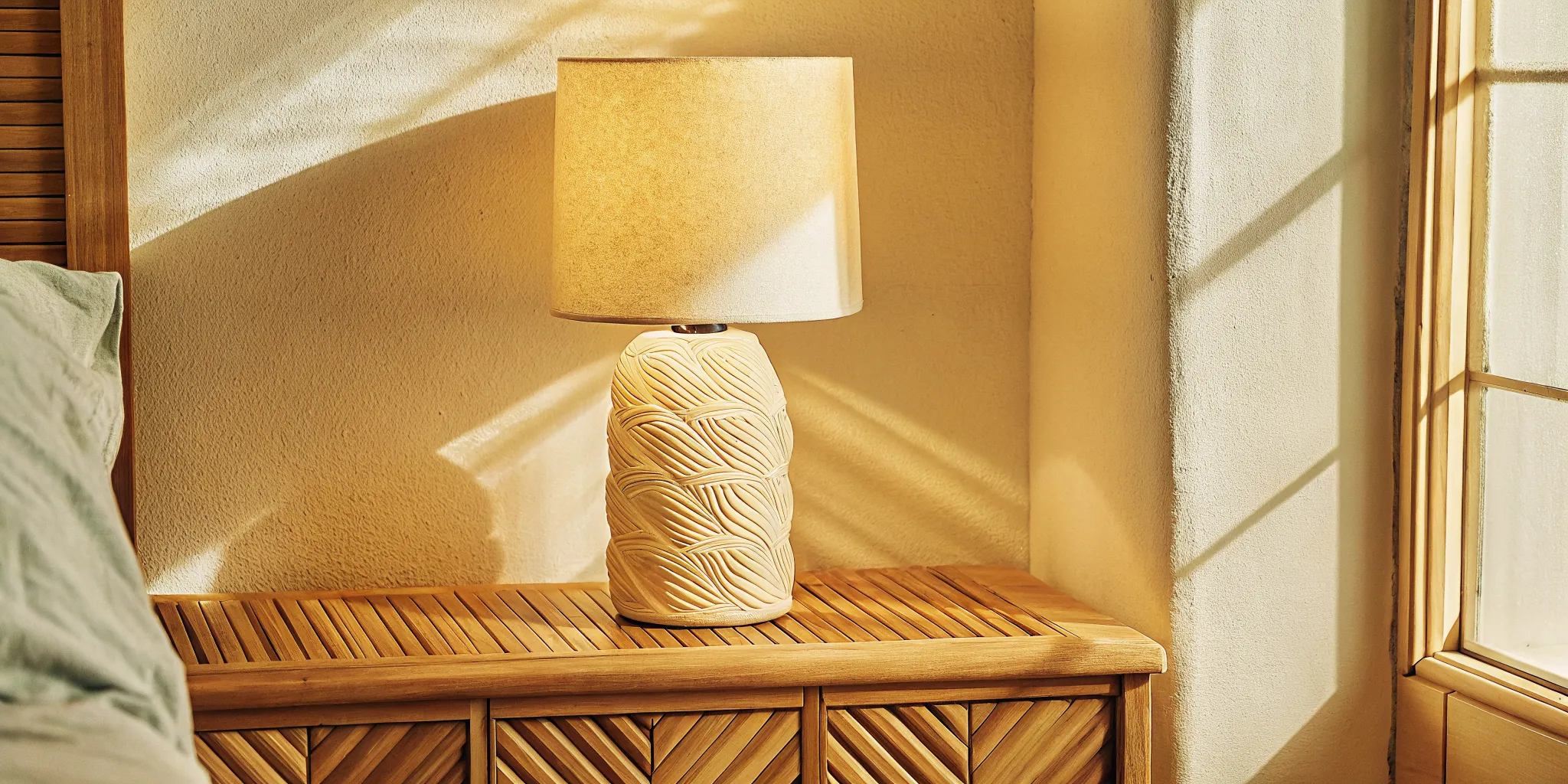
Ceramic is having a very good moment. The material brings texture, warmth, and a handmade point of view to rooms that might otherwise feel a little too polished. It fits just as comfortably into a quiet minimalist space as a color-happy maximalist one. It is no longer limited to the occasional vase or bowl.
Pre-order a handcrafted ceramic-shade lamp from the Woaw Lighting Collection and let the material bring big vibes to an everyday corner.
Ceramic home decor is taking off because it makes everyday objects feel more tactile and intentional. In the Woaw Lighting Collection, steel bodies meet ceramic shades, bold color blocking, and sculptural candelabra-inspired forms, turning a practical lamp into a small statement piece with serious personality.
That balance is part of the wider shift toward homes that feel collected rather than copied. If you are already exploring dopamine decor, ceramic is an easy way to add an earthy, touchable layer without giving up visual fun. Here is why the material is showing up everywhere, and where it works hardest.
Why Ceramic Is Dominating Home Decor Right Now
That opening impression becomes more interesting up close. Beyond a flat decorative finish, ceramic gives the eye something to explore, such as a soft curve, a matte surface, or a glaze that catches daylight. A small irregularity signals a real object made by real hands.
That shift reflects a wider appetite for interiors with more feeling and less showroom perfection. The International Design Institute identifies handcrafted, tactile elements, including ceramic lighting, as part of the move toward soulful spaces and artisanal craftsmanship in 2026. Its trend report also connects ceramic pieces with earth-rooted palettes, gentler minimalism, and the demand for homes that feel restorative and personal. Read the International Design Institute's perspective on 2026 interior design trends.
Texture makes neutral rooms feel alive
Modern minimalism has not disappeared. It has simply become warmer. A room built around cream, clay, sand, or soft gray needs contrast, but that contrast does not have to come from more color. Ceramic supplies it through texture and shape. A sculptural lamp, a hand-finished vessel, or a softly ridged object can make a restrained palette feel layered rather than bare.
That versatility is why ceramic home decor works for both minimalists and maximalists. In a quiet room, one ceramic piece can act as the tactile focal point. In a more expressive space, several forms can join a collected arrangement without looking overly matched. The material feels grounded, but its shapes and finishes can still be playful.
It balances craft with everyday function
Ceramic is also moving beyond the familiar vase-and-bowl circuit. It appears in tiles, tableware, wall pieces, and lighting, where its physical presence becomes part of how a room works. Lighting is especially effective because the shade is both an object to look at and a tool for shaping the atmosphere.
Woaw uses that balance in lamps that pair steel bodies with ceramic shades. The result is sturdy, functional lighting with a warmer, more tactile counterpoint to industrial metal. Bright color blocking and toy-inspired, sculptural candelabra forms give the material a playful edge, making a practical fixture feel more like a small piece of design.
Personal taste beats perfect coordination
The larger trend is toward curated interiors rather than identical rooms assembled from one catalog. Ceramic supports that instinct because each piece can carry a distinct silhouette, finish, and sense of character. It can sit comfortably beside wood, woven textiles, stone, or glossy surfaces, helping a room feel assembled over time instead of styled in one afternoon.
For more ideas on combining expressive color, sculptural forms, and personality at home, explore our guide to dopamine decor. Ceramic does not dominate because it is a passing novelty. It earns attention because it makes everyday objects feel more tactile, more personal, and considerably less boring.
How Handcrafted Ceramic Differs from Mass-Produced Ceramic in Texture and Finish
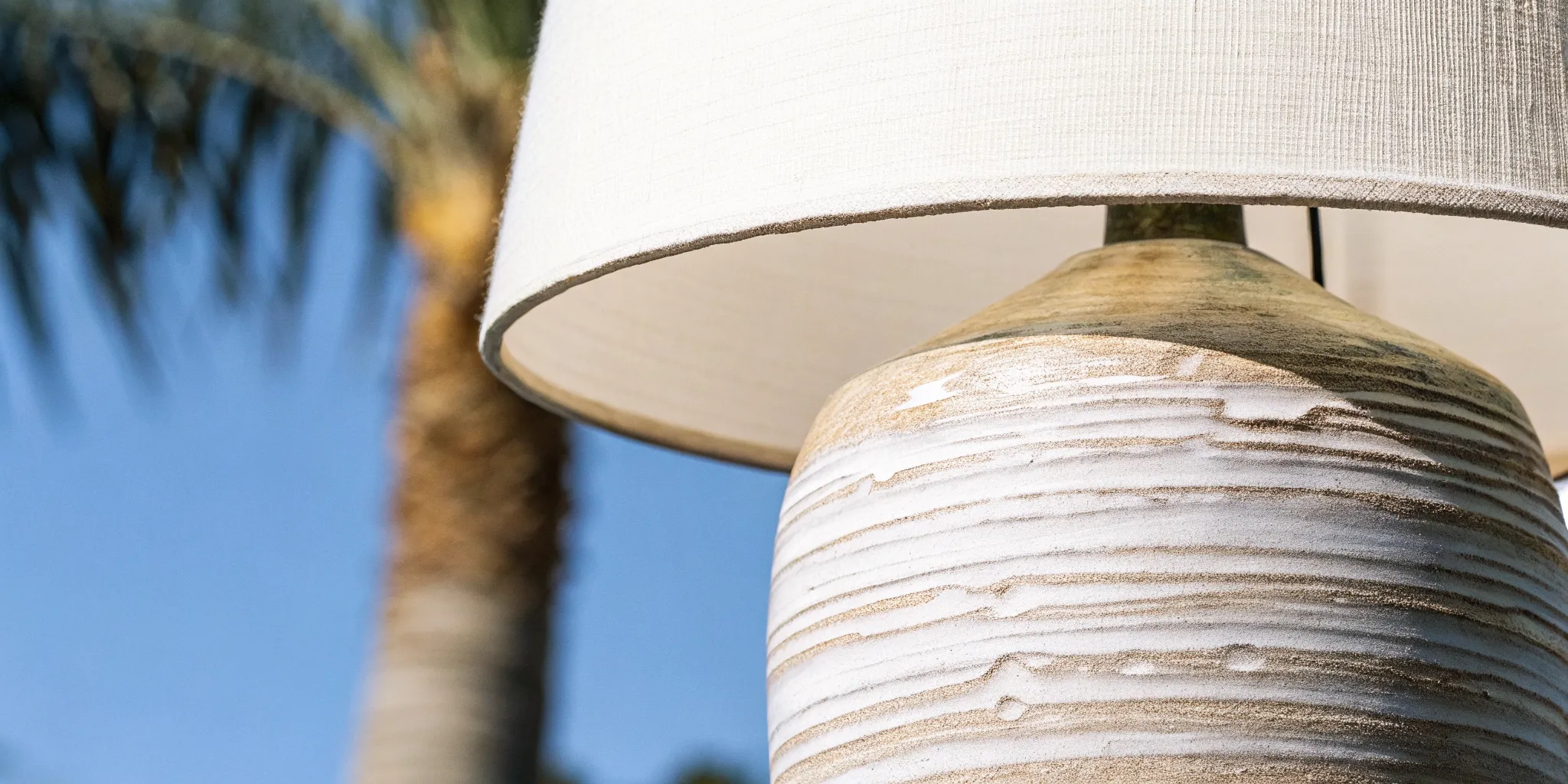
The difference is not always dramatic from across the room. Up close, though, handcrafted ceramic has a visual and tactile vocabulary of its own. You may notice a subtle variation in the surface, a gentle shift in glaze, or a contour that feels shaped rather than stamped. Those details give the object presence. They make it feel connected to a material and a maker, rather than simply selected from a production line.
Mass-produced ceramic is designed for consistency. Each piece is engineered to match the next one in dimensions, color, and finish, which can be useful when a project needs perfect repetition. Handcrafted ceramic takes a different route. Small variations are part of the result, not defects to be erased. A shade may have a softly uneven texture or a finish with tiny tonal changes that catch the light differently throughout the day.
| Detail | Handcrafted ceramic | Mass-produced ceramic |
|---|---|---|
| Surface | Subtle variation and forgiving texture | Even and repeatable |
| Finish | Tonal shifts that catch light over time | Uniform color and gloss |
| Character | Feels connected to a maker | Designed to match the next piece |
| Best for | Rooms that want one tactile focal point | Projects needing perfect repetition |
Why tactile variation makes a piece feel more considered
Texture creates an invitation to look closer and, when appropriate, to reach out and touch. Smooth areas can sit beside lightly pebbled or organically shaped ones. The effect is especially useful in calm, neutral rooms, where a single tactile object can add warmth without introducing visual clutter. It also works beautifully in more expressive interiors, where material character supports a layered, collected feeling.
This is why ceramic has become such a compelling choice for ceramic home decor. It brings an earth-rooted quality to a room while remaining adaptable to contemporary forms. Interior design research from the Interior Design Institute identifies handcrafted, tactile elements, including ceramic lighting, as part of the movement toward spaces with more depth and personality: Interior Design Institute trend research.
How Woaw uses honest imperfection
The Woaw Lighting Collection applies that artisan sensibility to a playful, sculptural object. Its ceramic shades are made through handcrafted production in the UAE, giving the material a human quality that complements the collection's bold color blocking. Paired with steel bodies, the shades balance industrial structure with a warmer, more organic finish. The result is not rustic or overly precious. It is bright, characterful, and intentionally a little unexpected.
That distinction matters when choosing a statement piece. Uniform ceramic can disappear into a room because every surface behaves exactly the same way. Handcrafted ceramic gives light, color, and form more to work with. The small differences reward repeat viewing, which is precisely what you want from an object designed to bring big vibes to an everyday space.
Where Ceramic Home Decor Shows Up Beyond Vases and Bowls
Ceramic has graduated from the shelf and taken over the rest of the room, in the best possible way. Its tactile surface, adaptable color, and ability to hold both soft curves and crisp geometry make it useful far beyond the familiar vase-and-bowl pairing. The result is ceramic home decor that feels collected rather than copied.
Lighting shades that make function feel sculptural
A ceramic shade turns an everyday light into a material moment. It can soften the presence of a bright bulb, add visual weight to a small table, or give a reading corner a warmer, more grounded personality. In the Woaw Lighting Collection, steel bodies are paired with ceramic shades, creating a playful contrast between a precise structural frame and an organic, handcrafted-looking surface. Bold color blocking and candelabra-inspired forms push the fixture beyond utility without making it precious.
That balance is especially useful in homes that mix clean-lined furniture with more expressive objects. A sculptural lamp can act like functional art beside a sofa, on a console, or at the center of a dining setting. Explore the ceramic shade lighting collection when you want the room's practical pieces to bring some personality, too.
Tiles that build texture into the architecture
Ceramic tile is another way to make a surface do more than simply cover a wall or floor. Handmade-looking zellige tile can add variation to a kitchen backsplash, while larger-format matte tile can give a bathroom a calm, mineral quality. Used selectively, tile creates a backdrop for simpler furniture and textiles. Used boldly, it becomes the room's color story.
For a modern effect, pair irregular edges or tonal variation with restrained cabinetry and hardware. The contrast keeps the space from feeling overly themed. A small tiled niche, fireplace surround, or powder-room wall can deliver the impact of a larger renovation with a much more focused visual gesture.
Tableware, sculpture, and wall pieces with everyday presence
Ceramic tableware brings the material to the moments when people actually gather. A hand-finished plate, colorful mug, or low serving dish can make an ordinary meal feel considered without requiring a formal tablescape. Ceramic sculpture works similarly, adding shape and shadow to a bookcase, mantel, or entry table. On the wall, ceramic reliefs and grouped tiles provide depth where a flat print might feel predictable.
The common thread is not matching every object. It is repeating a material in different scales and roles, then allowing its finishes to vary. Place one expressive lamp near quieter ceramics, or echo a tile color in a small dish. For more ideas on using lighting as a statement piece, browse these sculptural ceramic lamps and consider where one could add a little more big-vibe energy.
How Ceramic Lamp Shades Change the Quality of Light in a Room
A lamp shade does more than hide a bulb. It edits the atmosphere. Ceramic gives light a softer, more settled presence by filtering the brightness through a solid, tactile surface instead of sending it straight through like clear glass. The result feels less like a spotlight and more like a warm pool of illumination that helps a room become comfortable.
That difference matters beside a sofa, on a bedside table, or anywhere you want light to support the room rather than dominate it. Ceramic can make an everyday corner feel considered, which is exactly why it works so well in expressive ceramic vs glass lamp shades decisions.
Why ceramic creates a softer glow
Glass tends to reveal the light source and transmit a sharper, more immediate brightness. Ceramic shades diffuse that intensity across their surface. Depending on the shade's form and finish, the light may emerge downward, outward, or through a subtle opening, creating gentle contrast instead of glare. This is especially useful in rooms with neutral walls, reflective surfaces, or multiple light sources competing for attention.
The effect is not dim or dull. It is directional enough for everyday living while remaining visually calm. A ceramic shade can brighten a reading nook, soften a nightstand, or give a dining area a welcoming glow without making the bulb the star of the show.
How texture changes the mood
Ceramic brings a material layer that glass cannot quite imitate. Its surface may look smooth from across the room, then reveal depth, variation, and a hand-finished character up close. That interplay between light and texture gives the shade a quiet visual rhythm. During the day, it reads as an object. At night, it becomes part of the room's atmosphere.
In the Woaw Lighting Collection, ceramic shades are paired with steel bodies, creating a useful balance between industrial structure and warmer, more organic material. The sculptural, toy-inspired forms and bold color blocking keep the fixture playful, while the ceramic helps the light feel grounded rather than overly glossy. It is a small material moment with big-vibe potential.
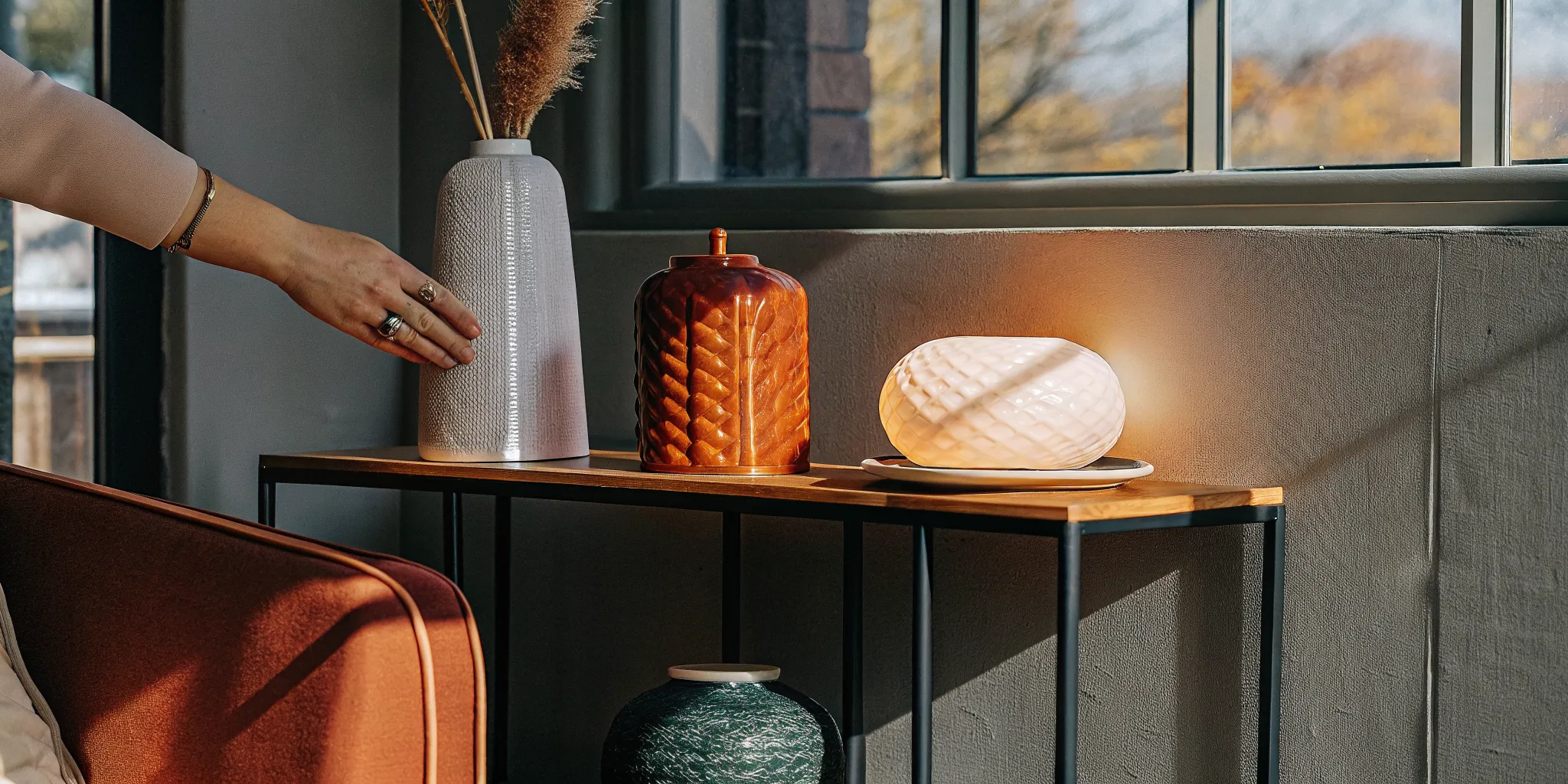
Woaw lamps also use integrated LEDs and support universal 120V-240V compatibility, so the visual experience is paired with practical flexibility. The shade provides the mood, while the fixture's construction supports modern homes and varied electrical standards. Together, those details make ceramic lighting a strong choice for design-conscious spaces that want personality without visual noise.
Caring for Ceramic Decor Objects So They Last Decades
Ceramic rewards a light touch. Its glaze can stay beautiful for years, but grit, sudden impacts, and strong cleaning products can dull the finish or leave marks that are much less charming than the original handmade character. The same care applies to ceramic home decor whether you are looking after a small vessel, a sculptural object, or a ceramic shade paired with a steel lighting body.
- Dust before you clean. Use a soft, dry microfiber cloth or a clean, soft-bristled brush to lift dust from the surface, around the base, and from any grooves. Do not drag grit across the glaze. For a lamp, switch it off, unplug it, and let the fixture cool before dusting.
- Clean gently and sparingly. For fingerprints or light marks, dampen a soft cloth with lukewarm water and wipe without scrubbing. Dry the piece immediately with another lint-free cloth so moisture does not collect around seams, fittings, or an unglazed underside.
- Skip harsh chemicals. Bleach, abrasive powders, scouring pads, and concentrated solvents can cloud or scratch a glazed surface. If water is not enough, use a small amount of mild, pH-neutral soap diluted in water, then remove every trace with a clean damp cloth.
- Give each object a safe landing place. Keep ceramic away from table edges, busy walkways, and areas where cords can catch. A level, stable surface is especially important for sculptural pieces with a high center of gravity. Add a discreet felt pad beneath freestanding decor to reduce sliding and protect the furniture below.
- Handle the body, not the fragile parts. Lift with two hands and support the base. Never carry a lamp by its shade, arm, cord, or switch. Ceramic lighting can be durable and practical, including Woaw fixtures with integrated LEDs and universal 120V-240V compatibility, but durability is not the same as being drop-proof.
- Protect the glaze from extremes. Avoid placing ceramic beside a radiator, open flame, or a window with intense direct sun for long periods. Keep it away from standing water unless it is specifically designed for that use. A calm, dry position lets the color and finish remain the star.
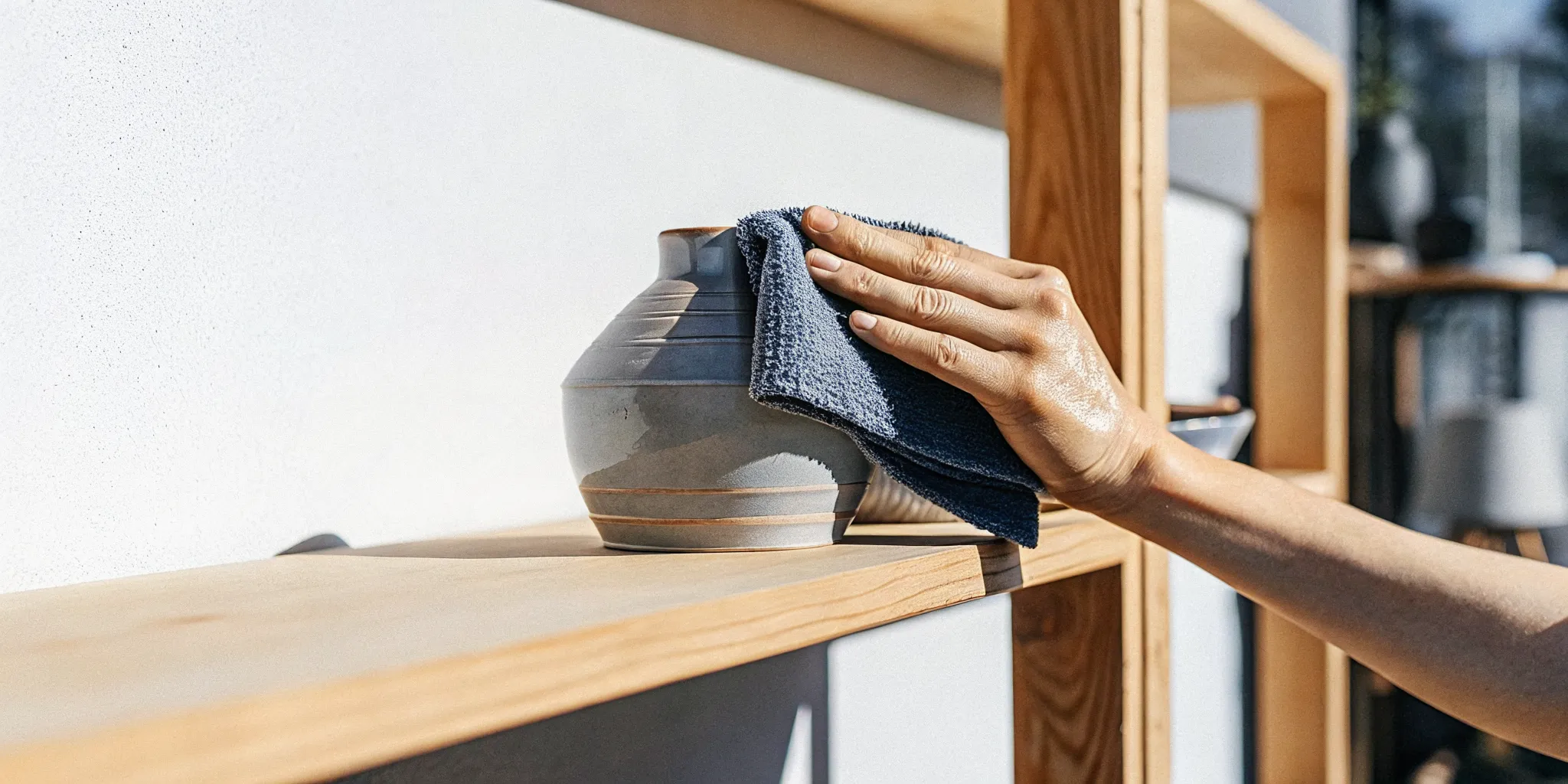
For lighting, follow the fixture's care instructions and never allow liquid near electrical components. With a stable placement and gentle routine, a ceramic piece can gather memories without gathering damage, becoming the kind of everyday object that still feels considered years from now.
Frequently Asked Questions
Why is ceramic decor popular in modern homes?
Ceramic brings texture, color, and a visibly honest material quality to a room. It can feel handmade and warm without looking overly rustic, which makes it work equally well in calm minimalist spaces and more expressive interiors. The appeal also comes from range: ceramic can appear as a small accent, a sculptural centerpiece, or a functional object such as a lamp.
What are the benefits of handmade ceramic decor?
Handmade ceramic pieces add subtle variation that mass-produced surfaces often lack. Small differences in texture, finish, or shape give an object character and make it feel considered rather than anonymous. That individuality is especially useful when a room needs one grounded, tactile element to balance polished metal, glass, or smooth painted walls.
How do you style ceramic home decor?
Start with one ceramic focal point, then repeat its color or texture once elsewhere so the room feels intentional. A sculptural ceramic lamp can anchor a side table, while smaller ceramic objects can support the palette without creating visual clutter. Pairing ceramic with steel, wood, or woven textiles creates contrast and keeps the arrangement from feeling too matchy-matchy.
Is ceramic home decor durable?
Ceramic is a long-lasting material when it is handled thoughtfully. Keep pieces on stable surfaces, avoid placing them where they can be knocked over, and clean them with a soft, slightly damp cloth instead of harsh abrasive products. For ceramic-shade lighting, follow the fixture's care guidance and switch the power off before cleaning.
Does the Woaw ceramic-shade lighting collection fit minimalist interiors?
Yes. Woaw lamps combine clean steel bodies with ceramic shades, so their silhouettes can sit comfortably in a restrained room while their color blocking adds personality. The collection reimagines traditional candelabra forms as sculptural, toy-inspired lighting, giving minimal interiors a focal point without requiring a crowded scheme. Woaw pieces are made to order through a Pre-Order model, with a production window of about 60 days.
Ready to Bring Ceramic Home Decor Home?
If ceramic's warmth and texture feel like the right finishing touch, explore a lamp that makes the material part of the room's personality. Browse the Woaw Lighting Collection and pre-order a handcrafted ceramic-shade lamp to get started with a sculptural piece designed for big vibes and everyday spaces.