

Art Deco Lamp Ideas for Modern Rooms That Feel Current
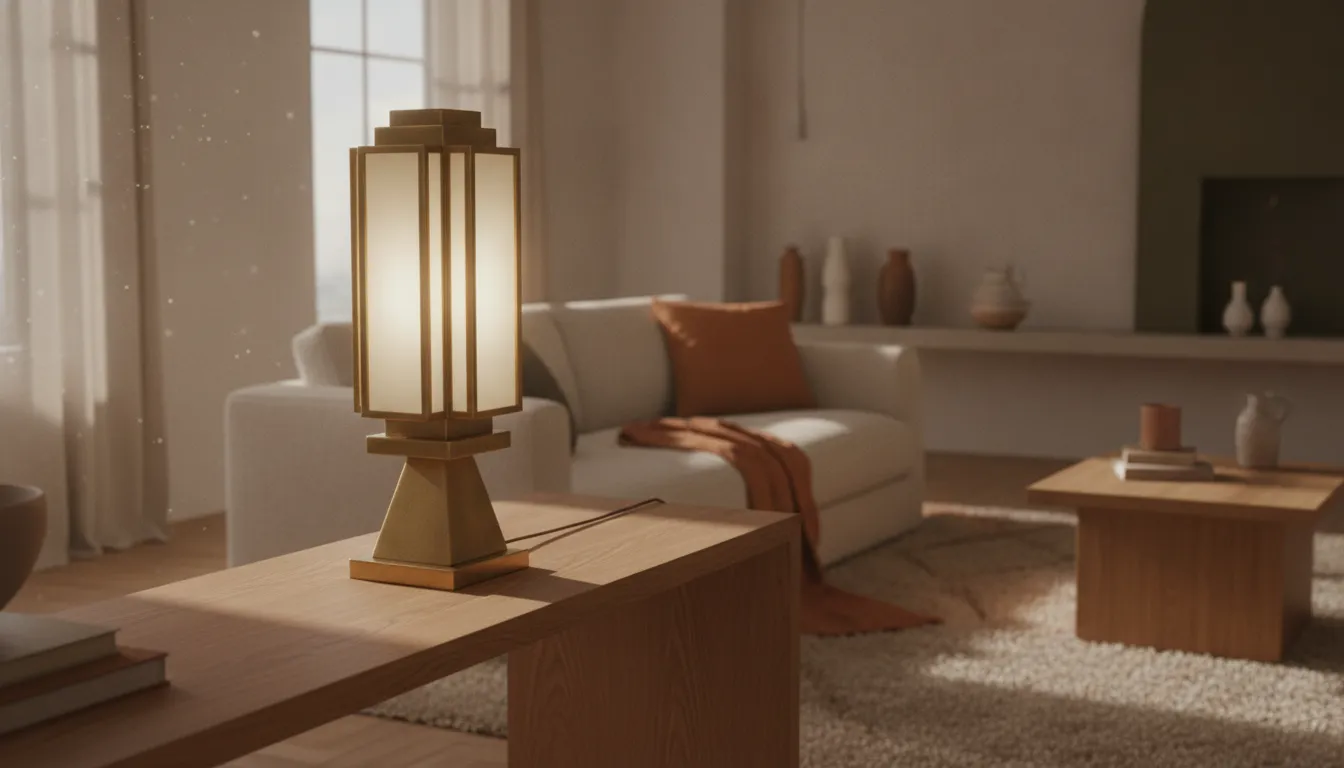
The best Art Deco-inspired rooms do not look like film sets from another era. They borrow the style's confidence: clear geometry, satisfying symmetry, and materials that let light become part of the architecture. The result can feel polished without becoming precious, especially when one strong silhouette does more work than a room full of matching motifs.
Ready to choose a sculptural statement lamp? Explore Woaw pre-order options.
An art deco lamp is recognizable through geometric form, balanced proportions, stepped or curved detailing, and expressive materials such as metal, glass, or ceramic. To make the look current, use those cues selectively and let contemporary scale, color, and surrounding pieces keep the room from feeling themed.
Start with the silhouette, then look closer at the visual signals that give it its unmistakable rhythm.
What makes an Art Deco lamp instantly recognizable?
An Art Deco lamp is usually easy to spot because its decoration feels organized rather than loose or purely organic. Look for a confident silhouette built from geometric shapes, balanced proportions, and a sense of polished symmetry. The result can feel glamorous, but it does not need to be fussy. In a modern room, the strongest examples read as precise sculptural objects that also happen to cast light.
Geometry does the visual heavy lifting
Start with the outline. Repeated lines, stepped levels, fan shapes, triangles, circles, and clean verticals are useful clues. Art Deco designers often reduced subjects to basic shapes and planes, and abstract geometric decoration became a recurring motif. On a lamp, that language may appear in the base, shade, frame, or the way several parts stack together.
Stepped profiles are especially recognizable. A base or shade that narrows in terraces creates an architectural rhythm. Parallel plates or repeated panels can make the fixture look like a small piece of modern sculpture. Curves can belong too, particularly when they are controlled and streamlined rather than loose, winding, or botanical.
Symmetry creates the sense of polish
Symmetry is another quick test. Matching sides, paired arms, centered shades, or repeated panels give the lamp a composed, intentional presence. Even when the form is elaborate, the eye can understand its structure at a glance. That clarity is what keeps the design from becoming visual clutter.
Material cues reinforce the impression. Chrome or other polished metal can sharpen the geometry, while frosted glass, alabaster, or an opaque shade can soften the light and balance the harder lines. Rich materials are part of the style's vocabulary, but a lamp does not need every classic cue at once. For modern buying, prioritize the silhouette first, then choose a finish that works with the room's existing textures.
The goal is not to turn your home into a period set. One geometric, symmetrical lamp can provide the graphic punctuation; the surrounding furniture can stay contemporary. Next, shape and proportion become the practical tools for deciding which silhouette will work best.
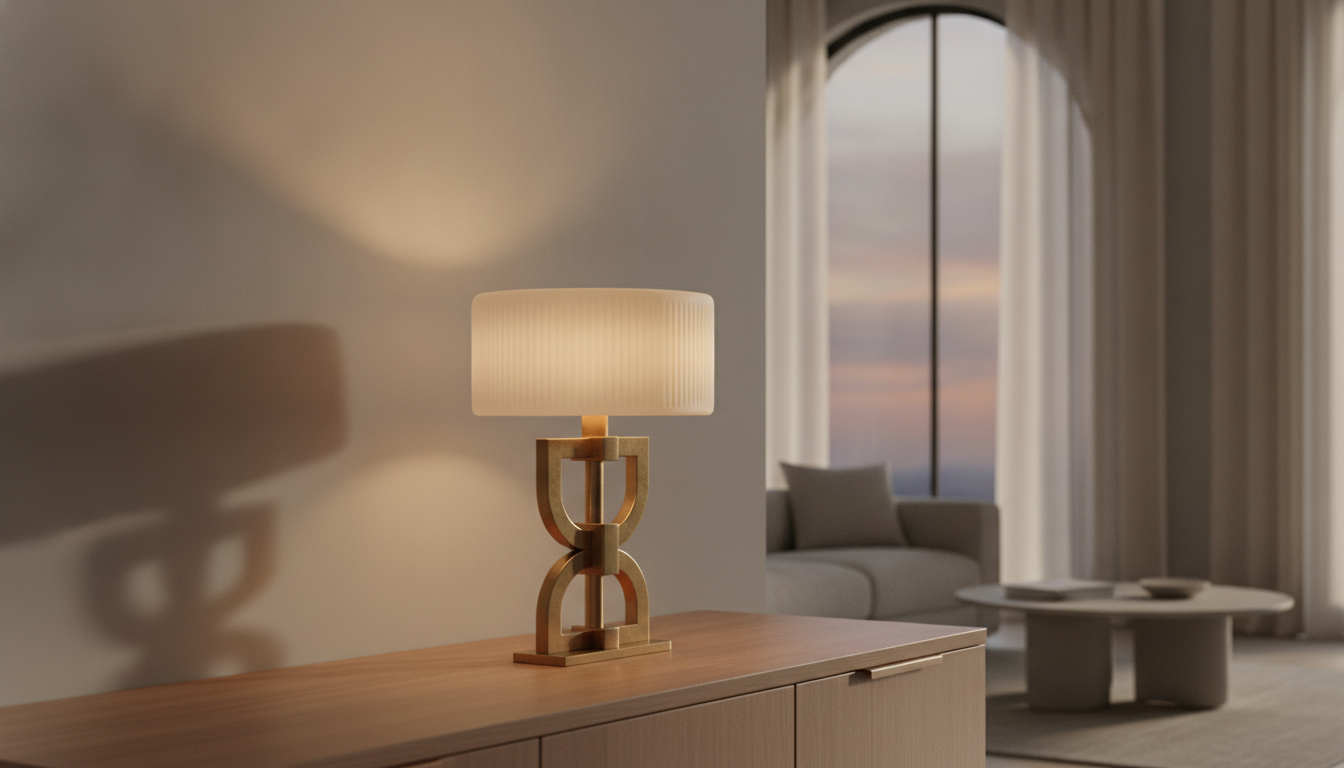
Art Deco lamp materials: metal, glass, and ceramic finishes compared for modern room styling.
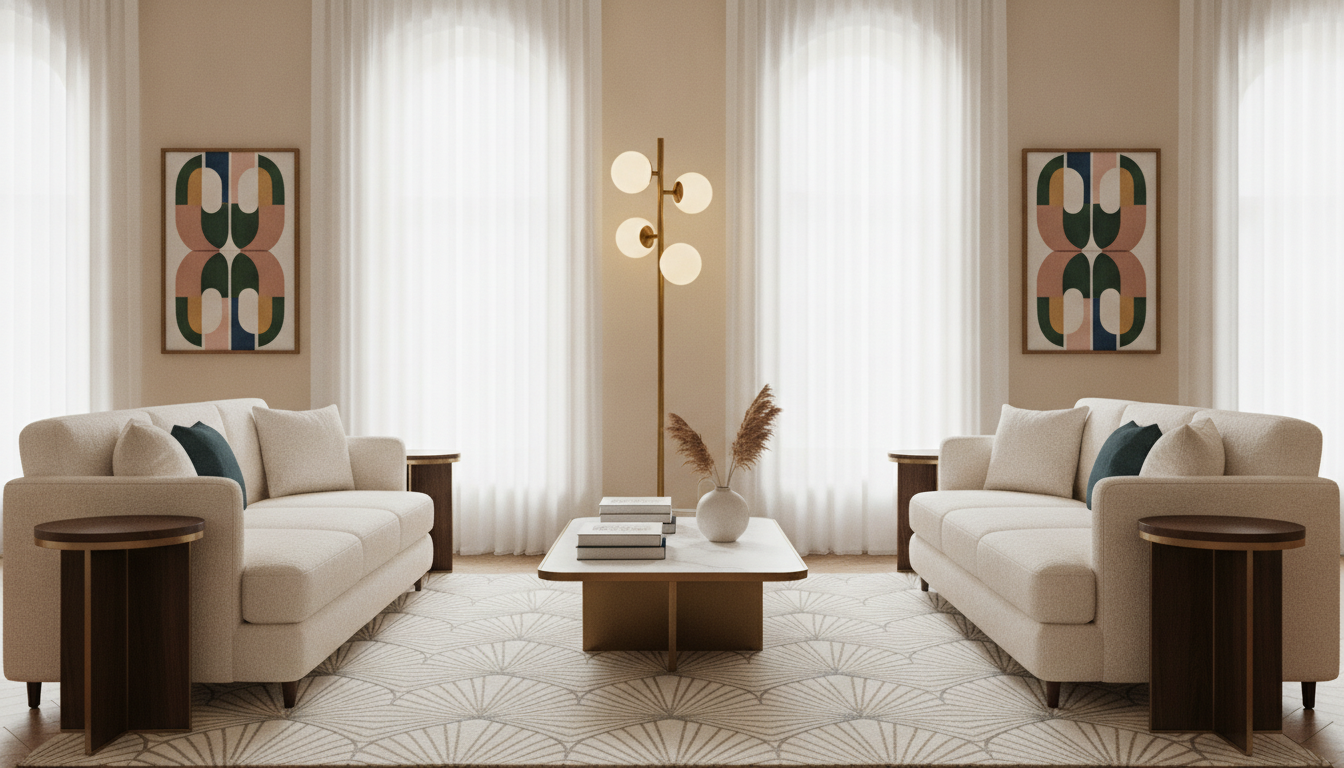
Modern Art Deco room with geometric lamp, calm furniture, and warm layered light.
How do shape and symmetry create the Art Deco look?
An Art Deco lamp earns its presence through a clear visual structure. Look first at the silhouette: a stepped base, a tapered shade, a strong arch, or a precise combination of circles, triangles, and vertical lines. The outline should be readable from across the room, even when the lamp is switched off. This is where proportion does the quiet heavy lifting. A broad shade over a narrow base can feel top-heavy, while a tall floor lamp needs enough visual weight near the bottom to feel anchored.
Symmetry adds order without making the design feel stiff. Matching sides, paired forms, and evenly spaced details give the eye a dependable route around the object. Repetition works similarly. A row of ridges, parallel bands, or recurring curves can make a modest lamp feel considered and architectural. Historical Art Deco design frequently used abstract geometric decoration, but the goal is not to cover every surface with motifs. One confident shape repeated with restraint usually has more impact than a collection of competing details.
Table lamps: build a compact focal point
On a console, bedside table, or sideboard, a table lamp should have a silhouette that relates to its setting. Use the furniture's width as a visual boundary. A petite surface benefits from a contained profile. A generous sideboard can support a wider shade or a more layered base. Place the lamp where it can become a focal point without blocking artwork, conversation, or the useful surface beneath it. A centered lamp creates formal balance; an offset lamp can create energy when another object provides counterweight.
Floor lamps: let the vertical line lead
A floor lamp introduces height, so its proportions matter even more. A slim stem and emphatic shade can draw the eye upward, while a sculptural base makes the lower third part of the composition. Repeated verticals can echo cabinetry or architectural lines, and a rounded shade can soften a room built from hard edges. For more guidance on judging a lamp's focal-point role, choose a sculptural statement lamp with a silhouette that balances the room rather than simply filling an empty corner.
The most convincing result is deliberate, not overloaded: one strong geometric profile, balanced proportions, and enough surrounding space for the lamp to be seen.
Which materials work best for an Art Deco lamp?
Material changes the personality of an Art Deco lamp as much as its silhouette. Metal can make geometry feel crisp and architectural, glass can soften a strong outline, and ceramic can add color and tactile character. The right choice depends on the mood you want, how the lamp will be used, and whether the surrounding room needs contrast or a quieter partner.
How to choose a material for an Art Deco lamp
MaterialVisual effect and textureLight and careWorks well inMetalClean edges, reflective accents, and a structured, graphic feel. Brass can read warm, while silver-toned finishes feel sharper.Useful when you want the frame or base to stay visually prominent. Dust with a soft, dry cloth and follow the finish maker's care guidance.Entryways, living rooms, desks, and rooms that already have wood, stone, or other soft textures.GlassAiry, luminous, and often more delicate. Frosted, amber, or opaque glass can temper a bold geometric frame with a softer glow.Choose it when the shade should feel like part of the light source. Handle carefully and clean with a suitable glass-safe cloth or solution.Bedside tables, dining areas, and compact rooms where a visually lighter material helps preserve openness.CeramicSubstantial, tactile, and expressive. A glazed surface can introduce color or a playful contrast to disciplined Deco-inspired geometry.Best when the lamp should function as an object even when switched off. Wipe gently and avoid abrasive cleaners that may mark the surface.Living rooms, bedrooms, and curated shelves where material and color can carry the decorative role.
These materials also have historical precedent without needing to become a museum exercise. The V&A's Art Deco collection spans ceramics, glassware, and metalwork, while documented period lighting examples combine ground or opaque glass with metal frames. A contemporary sculptural lighting collection can take a similar material-led approach without pretending to be historical Art Deco. Mr. John's Goods uses steel bodies and ceramic shades in its Woaw designs, creating a clear contrast between graphic structure and a more tactile surface.
For a balanced room, start with the material that solves the practical visual problem. Pick metal when the space needs definition, glass when it needs softness, or ceramic when it needs personality. Then let one finish lead and keep nearby accents from competing with it. The result feels intentional rather than like every attractive material arrived at once.
How can you make Art Deco lighting feel modern?
The easiest way to keep an Art Deco lamp from making a room feel like a film set is to treat the style as an accent, not a decorating rulebook. Choose one or two recognizable cues, then let the rest of the room stay comfortably current.
Pick a single signature cue. A stepped silhouette, a fan-like shade, a polished metal detail, or a strong geometric base can suggest the era without turning every surface into a period reference. If the lamp already has a confident shape, keep nearby accessories quieter.
Pair geometry with calm forms. Set a graphic lamp against a simple sofa, a plain wall, or an unfussy wood table. The contrast gives the geometry room to read. Repeating a small angle or curve elsewhere can create connection, but exact matching is unnecessary.
Balance contrast instead of maximizing it. Black and brass, jewel tones and cream, or opaque shades against reflective metal can look sharp. Temper the combination with a neutral textile, natural wood, or a matte finish. For more guidance, see how to balance geometric color blocking without overwhelming a room.
Choose scale deliberately. A small art deco lamp can add a precise accent to a bookshelf or bedside table. A larger table or floor lamp can anchor a seating area, but it should have breathing room around it. Measure the surface and viewing distance before buying, rather than relying on a dramatic product photo.
Mix eras with a shared quality. Combine an Art Deco-inspired silhouette with contemporary art, a relaxed linen sofa, or a minimal side table. Unite the pieces through one repeated color, material, or sense of symmetry. The goal is conversation between eras, not a showroom full of matching antiques.
Modern styling also means respecting what the lamp needs to do. Leave enough clearance for comfortable use, position the glow where it supports the room, and let the fixture's form remain visible when it is switched off. Art Deco was never only about decoration; its appeal comes from the meeting of function, form, and visual confidence.
Use one unmistakable geometric cue, then let scale, useful light, and contemporary surroundings keep the room feeling current.
Where should you place an Art Deco lamp?
Place the lamp where its geometry can be seen clearly and its light serves a real purpose. Art Deco styling rewards a little breathing room: give the silhouette a clean backdrop, then build a layered glow around it rather than crowding every surface with decoration.
For more ideas on combining ambient, task, and accent light, use this room-by-room lamp styling guide.
Living room
A table lamp works well on a console, side table, or media unit, especially when its height balances the furniture beneath it. Keep the shade and base visible from the main seating sightline. A floor lamp can anchor an empty corner beside a sofa or reading chair, where its vertical profile adds structure without competing with wall art. Pair either option with softer ambient light so the geometric form reads as a feature, not a lone spotlight.
Bedroom
Use matching table lamps on bedside tables if you want Art Deco symmetry, but do not force identical styling when the room already has strong pattern or color. Check that the shade sits below eye level while you are in bed, reducing glare and keeping the light comfortable. A wall lamp can free up a small nightstand and create a tidy, considered frame around the bed.
Home office or desk
A desk lamp belongs on the side opposite your writing hand when possible, so your arm does not cast a shadow across the work area. Choose a compact form with a stable base and position it slightly behind the front edge of the desk. The goal is a clear task zone, with the lamp's stepped or curved profile adding personality without blocking your screen or sightline.
Dining area and entryway
In a dining room or entry, a hanging lamp can establish a strong focal point above the table or central circulation zone. Keep the fixture visually aligned with the furniture below and leave enough clearance for people to move comfortably. For a narrower hall, a wall lamp offers decorative rhythm while preserving floor space. In every room, repeat one shape, finish, or color elsewhere in small doses to make the placement feel intentional rather than themed.
Contemporary Art Deco mood without a time capsule
The most convincing modern take on Art Deco does not copy an old room piece by piece. It borrows the energy: confident geometry, deliberate contrast, and a lamp that feels considered from every angle. That leaves plenty of room for contemporary materials, playful color, and technology that suits how people live now.
Mr. John's Goods does not position the Woaw Lighting Collection as historical Art Deco or as a reproduction. Instead, its toy-inspired forms, bold color blocking, and sculptural candelabra references show how a lighting piece can create a similarly expressive mood without turning the rest of the room into a period set. Pair a lively fixture with quiet walls, simple furniture, or one repeated geometric detail. The contrast keeps the room edited rather than theatrical.
The construction also reflects current priorities. Woaw lamps use steel bodies and ceramic shades, combining a graphic silhouette with tactile material contrast. Integrated LEDs keep the light source part of the fixture's design rather than adding a visibly separate bulb. Universal 120V-240V compatibility makes the collection suitable for multiple electrical standards, while the visual language stays focused on personality and proportion.
For readers choosing any contemporary art deco lamp, the useful test is simple: does it bring shape and atmosphere to the room while still supporting everyday use? Look at the fixture from across the space, check how its scale relates to nearby furniture, and notice whether its materials balance the room's existing textures. You do not need a matching suite. One strong object can do the talking.
Woaw pieces are available by pre-order and ship within two months, so plan the lead time around your room update rather than treating the collection as ready-to-ship inventory.
Ready to make the look your own? See the current Woaw pre-order options.
Frequently Asked Questions
What are the key differences between Art Nouveau and Art Deco lamps?
Art Nouveau typically favors flowing, organic lines inspired by plants and natural forms. Art Deco is more structured, using geometric shapes, symmetry, stepped profiles, and streamlined curves. The boundary is not absolute: the V&A notes that a more linear, geometric branch of Art Nouveau helped feed Art Deco's search for modern forms. Learn more about the relationship between the styles.
Is 1930s design considered Art Deco?
Often, yes. Art Deco designers and manufacturers continued promoting the style into the 1930s, although the look evolved across countries, materials, and product categories. Rather than treating 1930s work as one fixed formula, look for the familiar combination of geometric structure, decorative surfaces, and a modern, functional purpose.
Is Art Deco making a comeback in 2026?
Art Deco does not need a literal comeback because its most useful ideas remain easy to translate into contemporary rooms. Try one strong cue, such as a symmetrical silhouette, a stepped base, or a graphic shade, then balance it with simpler furniture and fewer decorative references. The result feels intentional rather than like a period set.
How can I choose an Art Deco lamp without making my room feel themed?
Start with proportion and light quality, not a checklist of motifs. Choose a lamp that supports the room's existing scale, repeat one finish or color elsewhere, and let the fixture provide the strongest geometric moment. A contemporary construction, such as a steel body with a ceramic shade and integrated LED, can capture the sculptural energy without pretending to be a historical reproduction.
Make the look your own
Use the Art Deco ideas that fit your room, then choose a sculptural piece with enough personality to stand on its own. The goal is geometric energy and useful light, not a time capsule. Give the lamp room to breathe, and let the rest of your space keep its own point of view.
