

How to Mix Lamps Open Plan Living Dining Space
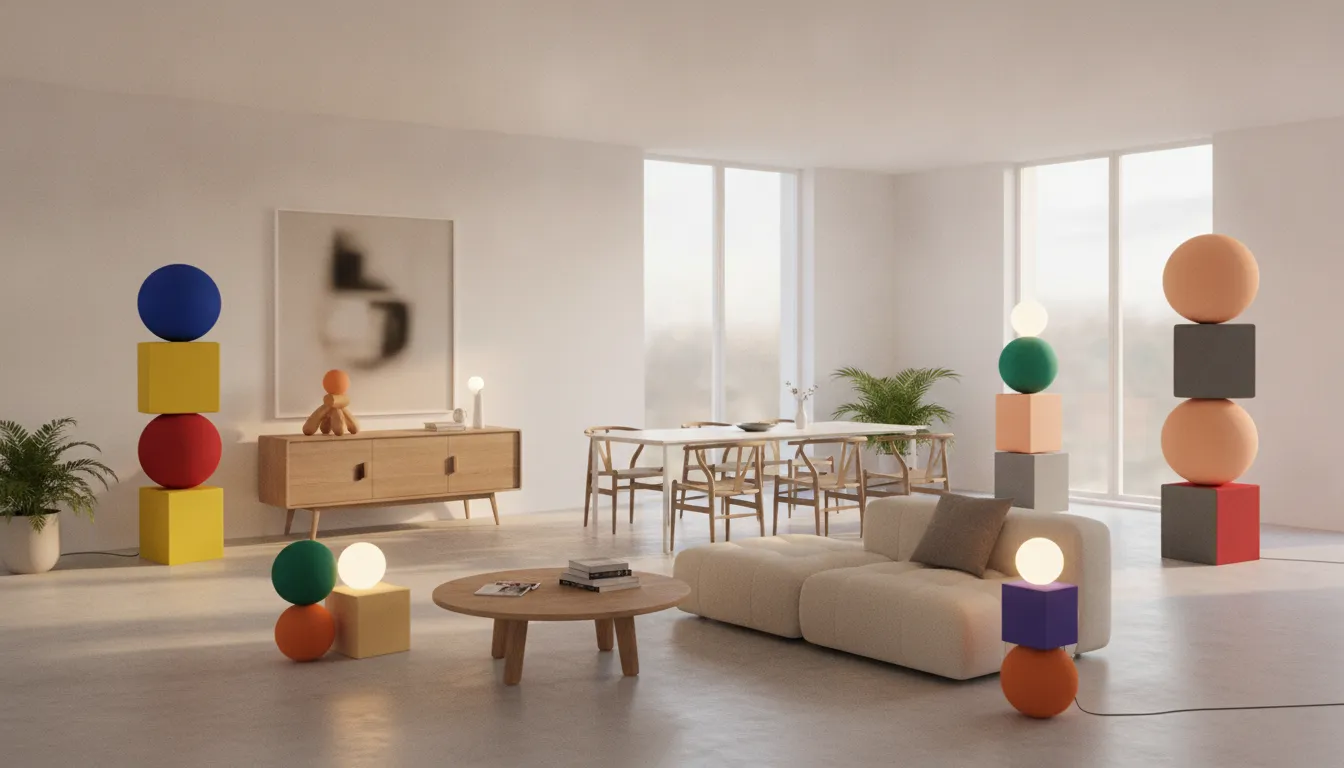
Open-plan rooms are generous with space and occasionally stingy with direction. A sofa, dining table, kitchen island, and reading corner can each ask for a different kind of light. Yet the room still needs to feel like one considered composition.
Mix lamps open plan living dining space like a designer, starting with one visual family
Then vary each fixture's role, height, and position. A color-blocking collection can connect a table lamp in the dining zone with a floor lamp near the sofa, while layered illumination keeps every area useful and comfortable.
The trick is not matching every lamp like a showroom set. It is repeating a few deliberate cues, such as bold color, steel bodies, or ceramic shades, while allowing each fixture to do a distinct job. Once those cues are in place, the room stops reading as one oversized space and starts to feel like a series of inviting moments. That is why the smartest starting point is a lighting strategy, not a single statement lamp. Our room-by-room lamp styling guide lays out the same principles for the rest of your home.
Why Open-Plan Spaces Need a Lamp Strategy, Not Just One Lamp
An open-plan living and dining room is not one room in the way a floor plan suggests. It is a sequence of activities sharing one visual field: chopping vegetables, serving dinner. Answering a friend, reading on the sofa, or winding down after the dishes are done. One lamp rarely supports all of those moments well. It may brighten the dining table while leaving the seating area flat, or create a bright pool of light that makes the rest of the room feel cavernous.
A better approach starts with the idea that light has more than one job. Human-centric lighting considers both visual effects and non-visual effects, including the ways light quality can support positive human outcomes. In practical terms, that means planning for clear sightlines and comfortable tasks while also shaping the emotional tone of the room. The aim is not to turn your home into a lighting lab. It is to make the space work as naturally at 8 a.m. as it does when dinner stretches into conversation. The research behind these principles considers traditional visual needs alongside the non-visual effects of light: read the human-centric lighting overview for the deeper context.
One footprint, several visual jobs
Think of the open plan as a small neighborhood rather than a single address. The dining area needs enough focused light for food, place settings, and faces. The living area benefits from softer illumination that makes conversation comfortable. A passage between them needs enough ambient light to feel connected, not like a dark corridor. Using lamps to define these zones gives each activity a visual home without adding walls. Lighting designers commonly recommend defining zones through lighting and layering illumination so an open layout feels intentional instead of uniformly bright. A useful Room-by-Room Lamp Styling Guide can help translate that principle across the rest of your home.
- Dining: prioritize focused, comfortable light on the table and avoid glare across the surface.
- Living: add a lower, softer source near seating to support reading and conversation.
- Connection: use ambient light to prevent harsh jumps between one zone and the next.
Design for the room's changing tempo
Intensity should be flexible enough to move from daytime activity to evening gathering. You may want brighter light while cooking or cleaning, then a gentler setting when the table becomes the center of the night. Layered or adjustable lighting makes that transition possible without relying on one overhead fixture to do every job. It also lets the room feel more intimate after dark, which matters in a large footprint where excessive brightness can erase the sense of comfort.
The strategy is simple: assign each zone a purpose, give it an appropriate layer of light, then connect the pieces through repeated materials, colors, or forms. You get function without visual clutter, and a room that changes with you instead of demanding one permanent setting.
How to Mix Lamps in Your Open Plan Living Dining Space
The secret is to coordinate, not duplicate. In an open-plan room, matching pairs can make the living and dining areas feel overly staged, while completely unrelated fixtures can make the space look visually noisy. A stronger approach is to choose lamps from one recognizable family, then let each fixture do a different job.
Start with two or three shared design cues. A color-blocking palette gives the room a lively thread, while consistent materials keep that energy from becoming chaotic. For example, lamps that combine ceramic shades with steel bodies can look related even when one is a compact table lamp and another is a taller floor lamp. The shapes and proportions can vary. The material language stays steady.
Choose a palette with one clear point of view
Color-blocking works best when the colors feel deliberate rather than randomly collected. Pick a dominant shade that appears in more than one zone, then support it with one or two complementary colors already present in the room. A bright lamp can echo an upholstered chair, a rug detail, or a piece of art without matching everything around it.
This is especially effective in a minimalist interior. Vibrant color creates a focal point against restrained walls and furniture, giving the room personality without adding visual clutter. The result can feel playful and design-credible at the same time. Think of the lamps as punctuation marks: they should make the room more expressive, not compete with every sentence in it.
Repeat materials, not necessarily silhouettes
Material repetition is the quiet part of the scheme. If the living zone has a steel-bodied floor lamp. A dining-side table lamp with a ceramic shade can still belong to the same family when those materials appear across both fixtures. Consistent ceramic and steel details visually connect separate areas, helping the eye move through the room instead of stopping at an abrupt style change.
Vary scale and height to keep the arrangement interesting. A lower lamp can create a warm pool of light beside a sofa. While a taller fixture can draw the eye upward near a reading chair or the edge of the dining area. Varying lamp heights also prevents the room from looking like a showroom display with every object lined up on one level.
Finally, check the balance from the main sightlines. The fixtures should feel connected when viewed from the sofa, dining table, and entry, but they should not form a repetitive row. One family, different roles: that is the formula for a layered open-plan setup with plenty of character.
Table Lamp and Floor Lamp Pairing Rules in a Shared Space
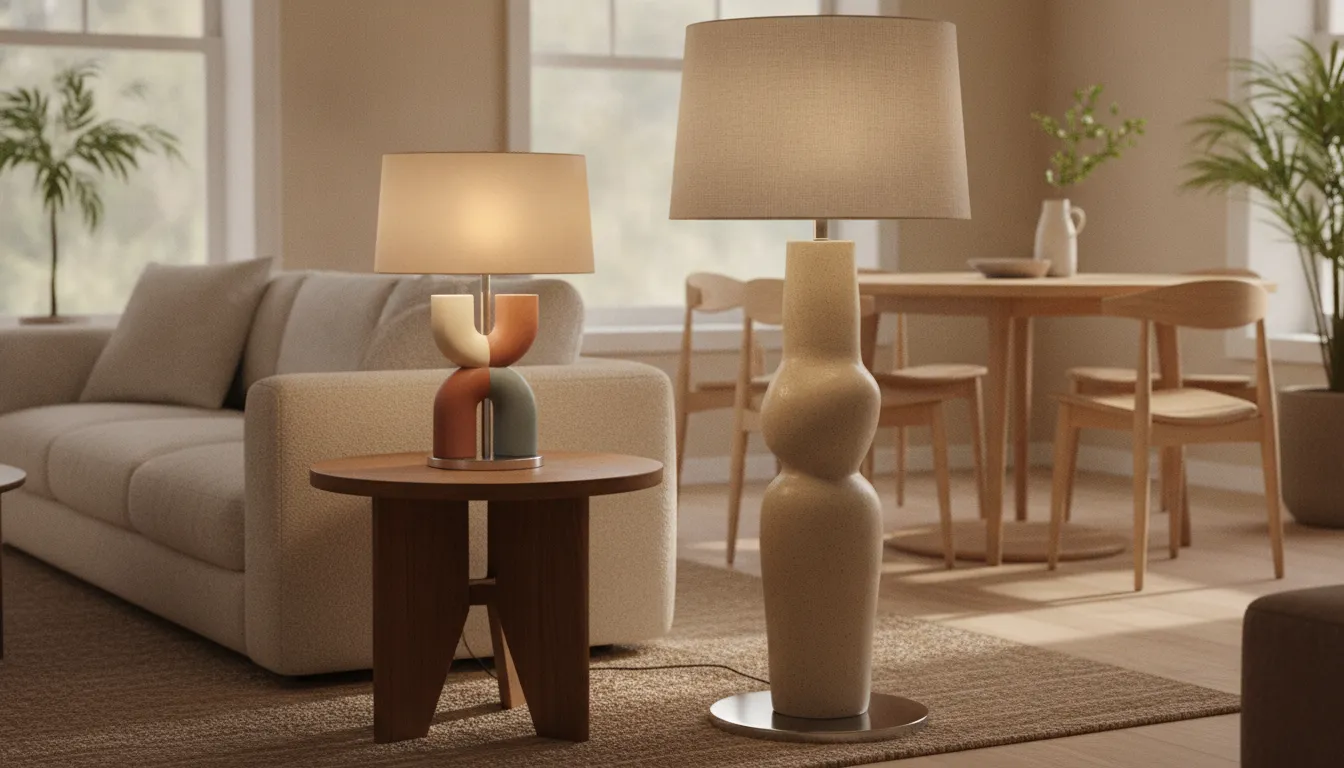
In an open living-dining room, table lamps and floor lamps should collaborate, not compete for attention. A table lamp beside a sofa, console, or sideboard adds a softer pool of ambient light that makes conversation areas feel grounded. A floor lamp can take over in a darker corner, beside a reading chair, or near seating where overhead light feels too sharp. Together, they give the room more than one setting.
Start with the palette, not a matching set. Lamps can share a color family, finish, or material without being identical. Consistent details, such as steel bodies and ceramic shades, create a visual thread between the living and dining zones while allowing each fixture to have its own personality. This is especially useful when you mix floor and table lamps in a room that already has plenty of furniture and color.
| Lamp type | Best placement | Primary role |
|---|---|---|
| Table lamp | Side table, console, or sideboard | Soft ambient and conversation light |
| Floor lamp | Corner, reading chair, or seating area | Focused task light and additional ambient coverage |
Use height to create rhythm
Do not line every light source up at the same visual level. A lower table lamp near the sofa followed by a taller floor lamp toward the room's edge creates rhythm and gently leads the eye through the open plan. Height variation also helps separate zones without adding a divider. Keep the taller fixture where it will not interrupt sightlines across the dining table. And make sure a seated person can use the table lamp without looking directly into its bulb.
Balance task light with ambient light
Dining areas need enough direct light for serving, eating, and clearing the table, but a bright source aimed straight down can create glare on dishes and glossy surfaces. Position or diffuse the dining light so it illuminates the table without shining into people's eyes. A dimmable source is even more useful, shifting from brighter cooking or cleanup light to a relaxed dinner setting. This task-and-ambient balance is a core principle of open-plan lighting design, as outlined by open-plan lighting guidance.
In the living zone, let the floor lamp support the activity instead of flooding the whole room. Angle it toward a reading chair when focused light is needed, then rely on the table lamp for a warmer background glow. For more inspiration on choosing a sculptural anchor, explore these colorful floor lights for living rooms. The best pairing feels intentional from across the room, useful up close, and flexible after sunset.
How to Zone an Open-Plan Room Using Lamp Placement Alone
Open-plan rooms do not need more walls. They need clearer invitations. A pool of light can say, "this is where dinner happens," while a lower glow quietly marks the place for reading. Chatting, or lingering over one more cup of coffee. Lighting becomes the architecture, only friendlier and far less permanent.
The aim is not to scatter lamps everywhere. Build a sequence of useful, overlapping zones so the room feels connected without becoming one giant, evenly lit box. This approach reflects the difference between task and ambient lighting, while keeping the overall effect warm and intentional. Lighting guidance for open-plan spaces also emphasizes defining zones and layering light rather than relying on one source.
- Anchor the dining zone first. Start with the table, since it usually has the clearest footprint. Place or hang the primary light so its glow gathers around the tabletop without shining directly into diners' eyes. The light should make plates, conversation, and faces easy to see, but it does not need to flood every nearby surface. If the fixture sits slightly off-center, use the table and chairs as your visual guide rather than forcing the lamp to align with the room's exact midpoint.
- Give the living corner its own reading pool. In the seating area, position a floor lamp beside a reading chair or at the end of the sofa. Aim the useful light toward the activity, not across the entire room. This creates a second destination for the eye and gives a corner that might otherwise feel stranded a clear purpose. Floor lamps are especially effective where overhead light is too harsh or too distant.
- Add small table-lamp islands around the sofa. A table lamp on a side table adds a softer, lower layer for conversation. Think of each one as an island rather than another spotlight. Keep enough spacing between pools of light that the room can breathe, while allowing their edges to overlap. Ambient coverage should reach the larger layout and prevent dark spots, but it should not erase the distinction between the dining and living zones.
- Layer dimmers for the evening shift. One open-plan room may host chopping, homework, dinner, and a late-night conversation in the same few hours. Dimmable lamps let the dining area move from brighter cooking or cleaning light to a softer dinner atmosphere. Lower the strongest source first, then keep selected table or floor lamps glowing so the room feels intimate rather than switched off.
- Vary the heights to lead the eye. Combine the dining fixture's higher presence with a floor lamp at standing height and table lamps closer to seated eye level. Varying lamp heights creates visual interest and helps guide attention through the room. It also keeps a cavernous layout from feeling flat. The result is a series of connected moments: one room, several moods, no construction dust required.
Using the Woaw Collection to Build a Cohesive Multi-Lamp Setup
Mixing lamps in an open-plan room does not mean every fixture has to match like a showroom display. It means the pieces should speak the same visual language. The Woaw Lighting Collection makes that decision easier by giving you a ready-made family of sculptural lamps that can move through living. Dining, and work zones without losing the plot.
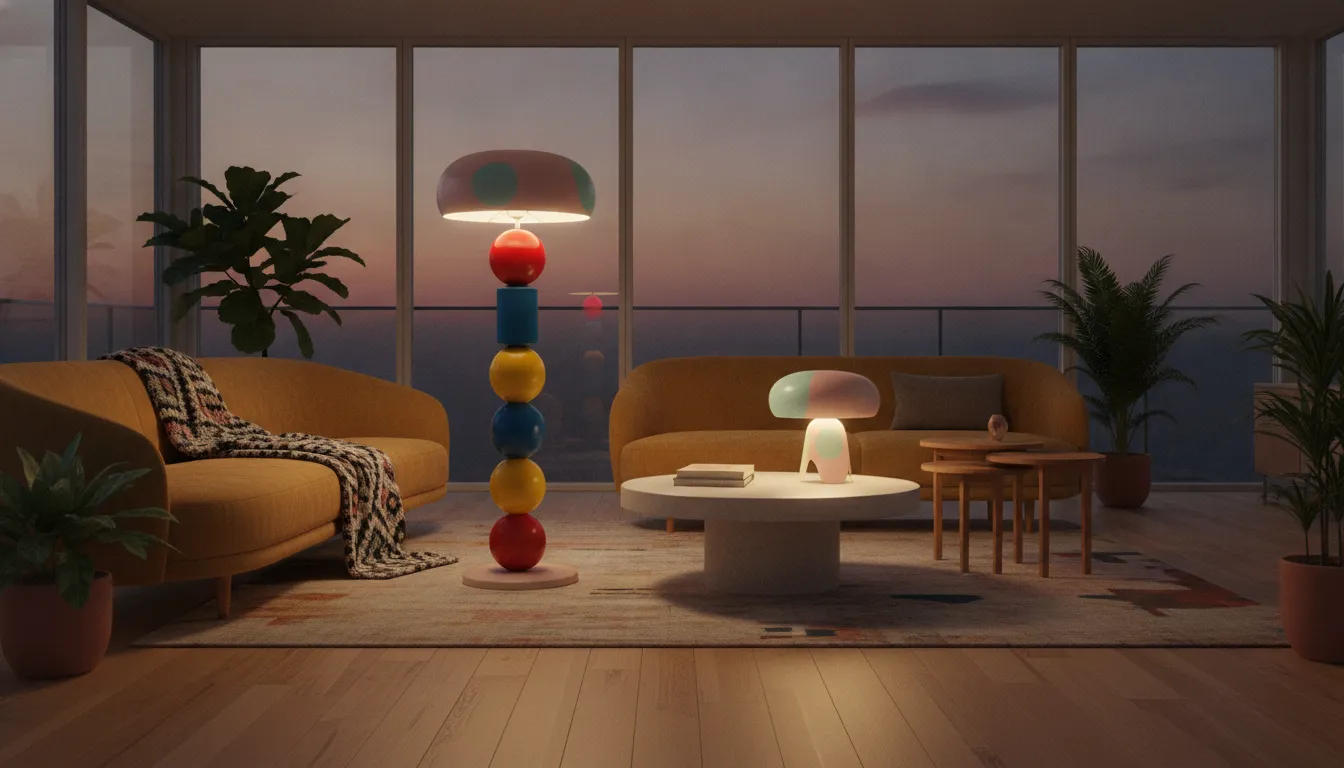
Each piece uses bold color blocking to reimagine the familiar candelabra form as something brighter, bolder, and more playful. That shared design language creates continuity across an expansive room, while the different silhouettes and heights keep the arrangement from feeling copy-and-pasted. In a minimalist space, the result is especially effective: the lamps become colorful focal points and conversation pieces without requiring a room full of extra decoration.
Start with a Woaw floor lamp in a living-room corner, beside a sofa, lounge chair, or reading spot. Its height gives that zone a visual anchor and helps draw the eye toward an area that might otherwise disappear into the open plan. Then place a Woaw table lamp on a side table, console, or sideboard closer to the dining area. The lower light creates a more intimate point of interest and gives the furniture a sense of purpose after sunset.
Explore Woaw floor lamps for the taller anchor, then balance the composition with Woaw table lamps. You do not need to choose identical colors in both zones. Instead, repeat one color, material, or visual detail, and let the rest of the palette play. The collection's steel bodies and ceramic shades provide a consistent material thread, while the color blocking supplies the personality. That is the sweet spot between coordinated and overly careful.
The technical details support the same flexible approach. Woaw fixtures use integrated LEDs and universal 120V-240V voltage, making them suitable for homes across different electrical systems. Place the floor lamp where it can provide a broad glow, and use the table lamp to soften a nearby surface or create a warmer visual pause. Together, they can help a large room feel more layered and intimate rather than one continuous, overlit expanse.
There is one planning detail to keep in view: Woaw fixtures are made to order and ship within 60 days. They are not an instant finishing touch, so order with your furnishing timeline in mind. If you are planning a renovation, move, or full room refresh, selecting the lamps early lets the lighting become part of the design rather than an afterthought.
See the complete Woaw Lighting Collection to build a multi-lamp setup with one unmistakable point of view. Simple Things. Big Vibes.
Ready to make your open plan living dining space feel like one considered composition? Bring the two zones together with one cohesive palette and you will never look at the room as one giant space again.
Browse the Woaw lamp collection and pre-order your set today
Frequently Asked Questions
How do you mix lamps in an open-plan space?
Start with one shared design thread, such as a repeated color, material, or shade shape. Then give each zone a job: use a table lamp for softer living-room ambience and a floor lamp near a reading chair or other task area. Vary the heights so the eye moves through the room without making every fixture compete for attention. This creates rhythm rather than a showroom-matchy effect.
Can you use different lighting styles in an open-plan living room?
Yes. Different lamp silhouettes can work beautifully when they share at least one visual element. For example, a sculptural floor lamp and a compact table lamp can feel connected through the same steel finish, ceramic shade material, or color-blocking palette. Keep the light distribution balanced, and avoid placing too many statement pieces in one visual cluster.
Should living and dining room lights match?
They do not need to match exactly. Coordination is usually more successful than duplication. Repeat a material or accent color across the two areas, then adjust each lamp to the furniture and activity in its zone. In the dining area, position task lighting to highlight the table without creating glare, and use softer light in the living area for conversation.
How do you light a living and dining room combo?
Layer the setup instead of relying on one bright source. Combine broad ambient light with focused task lighting and smaller pools of accent light. Place lamps near seating, beside the dining area, and in darker corners so the open layout feels intentionally divided. Adjustable intensity is especially useful because daytime tasks, dinner, and evening gatherings need different brightness levels. This zone-based approach also helps a large room feel more intimate. Human-centric lighting research likewise considers both visual and non-visual effects when evaluating lighting quality.
Ready to Pre-Order a Woaw Lamp Set?
A coordinated lamp set can help your living and dining zones feel connected without making the room look overly matched. Explore the sculptural, color-blocked Woaw Lighting Collection and choose the pieces that suit your layout. When you are ready to bring the idea together, pre-order a Woaw lamp set from the collection.