How to Layer Lighting in Living Room: A 3-Layer Guide
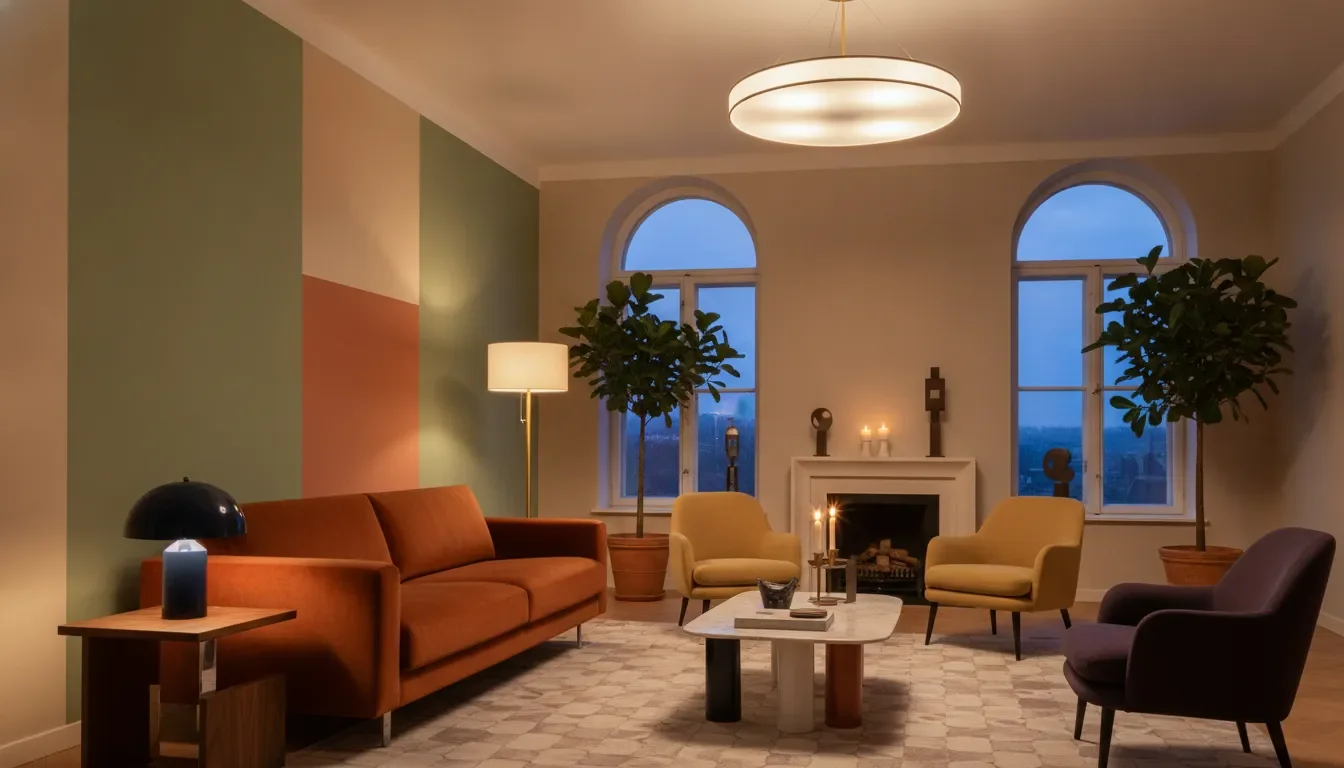
A living room usually feels better when light comes from more than one place. One ceiling fixture may brighten the room, but it can also make the space feel flat, harsh, and a little too much like a waiting room. A layered plan gives every corner a job while leaving room for personality.
Pre-Order the Woaw Collection when you are ready to bring a sculptural, design-led glow into the mix.
To understand how to layer lighting in living room spaces, combine ambient light for soft overall illumination. Task light for reading or working, and accent light to highlight art, plants, or architectural details. Start with function, then add contrast and character.
The easiest way to make those choices is to think in three layers, then map each one to the way you actually use the room. Here is the framework, with practical placement ideas and Woaw examples to help you shape a warm, expressive scheme. For more room-by-room inspiration, explore our room-by-room lamp styling guide.
What Is the Three-Layer Lighting Framework for a Living Room?
The simplest way to make a living room feel considered is to stop asking one fixture to do every job. A single overhead source can leave the space harsh, flat, and short on depth. A layered plan gives the room options: soft light for overall visibility, focused light for everyday activities, and expressive light that draws the eye.
The framework has three parts: ambient, task, and accent lighting. Think of them as the room's lighting cast. Ambient light sets the scene, task light shows up when you need to read or work, and accent light brings the personality. Together, they explain how to layer lighting in living room design without making the space feel like a showroom or a waiting room.
Ambient lighting: The broad, soft base that helps you move through the room and see comfortably. This might come from an overhead fixture or a combination of larger lamps.
Task lighting: Focused illumination for specific zones, such as a reading chair, work surface, game table, or another spot where your eyes need support.
Accent lighting: A visual spotlight for art, plants, architectural details, or a sculptural fixture that deserves its own little moment.
How do the three layers work together?
Start with ambient light, then notice where the room's activities actually happen. Add task lighting there, rather than scattering fixtures randomly. Finally, use accent light to create contrast and guide attention. A floor lamp beside a chair might handle reading while also acting as a sculptural focal point. A table lamp on a console can soften a darker corner and give the eye another place to land.
Balance matters more than symmetry. Combine fixtures at different heights so light reaches the room from above, at eye level, and closer to the floor. Dimmers can make the same arrangement feel bright and practical in the afternoon, then calmer for an evening film. The goal isn't maximum brightness. It's a room that can change mood without changing its entire furniture plan.
Quick answer
Q: What are the three main types of lighting used to layer a living room?
A: Ambient lighting provides overall illumination, task lighting focuses on activity zones, and accent lighting highlights art, plants, architectural details, or statement pieces. Use all three at varied heights to create a room that feels useful, balanced, and full of personality.
Layer One: How Does Ambient Light Set the Room's Base?
Ambient light is the room's starting point: soft, overall illumination that lets you move comfortably. See the shape of the space, and understand its mood before smaller lights enter the scene. Think of it as the canvas, not the finished painting. If the base is too harsh, every other fixture has to work overtime to make the living room feel welcoming.
Begin with the room's existing source. That might be a ceiling fixture, recessed lighting, daylight from windows, or a combination. The goal isn't maximum brightness. It's an even foundation that doesn't leave one corner glowing while another disappears into shadow. A single overhead light can feel flat and severe, especially when it is expected to handle movie nights, morning coffee, and every activity in between.
Place the base light where the room needs balance
In a living room, look at the seating arrangement first. Center the main ambient source around the area people actually use, rather than automatically matching it to the geometric center of the room. In an open-plan layout, consider how the living zone connects to dining or circulation areas. The base light should support the room without competing with the spaces around it.
Then soften the vertical spread. A floor or table lamp at a different height can keep the room from feeling top-heavy, while a shade can turn a bare bulb into a gentler glow. Varying fixture heights creates balance and gives the eye more than one level to explore. Dimmers are useful here too, allowing the same base layer to shift from bright and practical to low and relaxed.
Start overhead: Use the existing ceiling fixture or another broad source as the room's general wash.
Check the edges: Notice dark corners, blocked pathways, and seating areas that need a little more support.
Add height variation: Pair the overhead source with a floor or table lamp so light travels through the room, not just down from above.
Keep daylight in the mix: Arrange seating to benefit from windows, then use shades or adjustable window treatments when glare becomes distracting.
Daylight can contribute more than brightness. A Well Living Lab study reported that office areas with windows, natural light, and outdoor views were associated with improved cognitive performance and environmental satisfaction. A living room is not an office. So treat that finding as a gentle design cue rather than a promise: preserve useful daylight when you can, and manage glare when you need to.
Once the base feels calm and even, resist the urge to make it do everything. The next layers can bring focused function and personality without turning the room into a showroom under interrogation.
How to Layer Lighting in Living Room Task Zones
Task lighting gives the activities in your living room their own spotlight. Instead of asking one ceiling fixture to illuminate every corner, place focused light where people actually read, talk, work, or unwind. The result feels more comfortable and considered because the room supports its different jobs without turning every surface equally bright.
Reading zones need light beside the action
Start with the chair or end of the sofa where someone reaches for a book, magazine, or screen. A table lamp can sit on a nearby side table, keeping its glow close to the reader while adding a welcoming pool of light around the seat. A floor lamp works well when there is no table available or when you want the fixture to rise beside the furniture as a stronger visual element. Aim the light toward the reading position, not directly into the reader's eyes.
The lamp should feel easy to use. If you regularly move from reading to conversation, choose a position that keeps the fixture useful without blocking the view across the sofa. For a closer look at the functional differences between these options, see layering lighting techniques.
Conversation zones benefit from a softer perimeter
Task lighting is not limited to solitary activities. Around a seating group, smaller lamps can support conversation by brightening the edges of the arrangement rather than flooding the center from above. Place a table lamp on a console or side table near the seating area, or use a floor lamp beside an armchair. The goal is a comfortable glow that lets faces remain visible while preserving some contrast and atmosphere.
Think of the seating group as a collection of connected spots, not one giant target. A lamp at one side can balance an overhead source or another fixture across the room. This keeps the arrangement from feeling visually lopsided and makes the lighting feel intentional when the overhead light is switched off.
Work zones need focused support
If your living room doubles as a home office, homework station, or creative workspace, give that surface its own task light. A table lamp beside the working area can focus illumination where hands and eyes need it. Keep the fixture positioned to one side so it supports the activity without creating an awkward obstruction. When the work is finished, the lamp can remain part of the room's evening composition instead of looking like temporary office equipment.
Use different fixture heights to keep the task layer balanced with the rest of the room. Combining overhead, floor, and table lamps at varying heights creates more visual rhythm than lining every light along the same plane.
That mix helps the living room shift from focused activity to relaxed conversation. Each zone can do its job while still belonging to the same design story.
Layer Three: When Can a Sculptural Lamp Be Accent and Task Light?
The best accent light does more than look fabulous in the corner. It gives the eye somewhere to land while making a real part of the room more comfortable to use. That is where a sculptural lamp earns its keep. Place it near a reading chair, beside a sofa, or on a console, and it can create a warm visual moment while supporting the activity happening nearby.
Accent lighting is often used to draw attention to art, plants, architectural details, or another focal point. A sculptural fixture brings that same drama through its own silhouette, color blocking, and presence. It does not need to shout. Even when switched off, it can contribute shape and personality. Once switched on, its glow helps build the mood that a single overhead fixture usually misses.
Give the lamp a job and a backdrop
Start by deciding what the lamp should help you do. Beside a lounge chair, position it to support reading or an evening scroll without turning the whole room into a spotlight. Near a sofa, let it brighten the conversation zone and add a softer layer against the larger ambient source. On a console, it can frame a piece of art, a plant, or an architectural feature while still providing useful light for the nearby area.
The backdrop matters just as much. A bold lamp can punctuate a quiet wall, balance a strong piece of furniture, or echo a color already present in the room. Try placing it where its shape is visible from the main entrance or seating area. The goal is not to fill every empty surface. It is to create one intentional pause for the eye, then let the rest of the room breathe.
Make the glow feel connected
Varying fixture heights helps the room feel balanced rather than lit from one unhelpful altitude. A table or floor lamp can sit below the ceiling fixture and create a more layered field of light. If the lamp is dimmable, adjust it until the focal point is visible without competing with conversation, television, or the room's natural daylight.
For more ideas on placing statement fixtures without making the room feel overworked, explore this ambient, task, and accent lighting guide. The most successful scheme keeps function and personality in the same frame. The lamp looks like a small piece of sculpture, but it still knows exactly what it is there to do.
How Can You Build All Three Layers with the Woaw Collection?
Once you understand ambient, task, and accent light, the plan becomes less about collecting random fixtures and more about giving each piece a job. The Woaw Collection brings that same logic into a more expressive design language. Its sculptural, toy-inspired forms can add practical light while giving the room a focal point with actual personality.
Use the table below as a starting map. Placement will depend on your furniture, windows, and existing fixtures, so think in zones rather than a rigid formula.
Planning the three lighting layers with Woaw.Layer.Placement.Woaw role.Ambient.Across the room for a comfortable overall glow.Works as part of a broader lighting scheme, adding sculptural presence instead of leaving one overhead fixture to do everything.Task.Beside a reading chair, sofa, or other activity zone.Provides focused light where you need it, with a statement-making form that still feels considered when switched off.Accent.Near art, plants, architectural details, or a visually important corner.Acts as a sculptural focal point, adding mood, color blocking, and visual interest to the composition.
The practical advantage is flexibility. A sculptural lamp does not have to live in one category forever. Move it closer to a chair when the room needs a more useful reading zone, or let it hold a corner as an accent when atmosphere matters more. That overlap is where a layered scheme starts to feel personal rather than assembled from a checklist.
Material matters, too. Woaw fixtures pair steel bodies with ceramic shades and integrated LEDs, combining a tactile, design-led object with built-in illumination. The collection is also compatible with universal 120V-240V power, supporting homes and room setups across global markets.
Explore the Woaw Lighting Collection to compare the available sculptural forms. Plan the placement around the way you actually use your living room. Woaw pieces are made for pre-order, with products shipping within two months. When your layout is ready, Pre-Order the Woaw Collection and give all three layers a little more character.
Common Living Room Lighting Mistakes and Better Fixes
Mistake: letting one overhead fixture do everything
A single ceiling light may cover the room, but it often creates harsh, flat illumination without much depth. It can make a living room feel more like a waiting room than a place to linger. Fix: keep the overhead fixture as part of the ambient layer, then add at least one lower source for an activity zone and another for visual focus. The goal is not maximum brightness. It is a room that can shift comfortably from daytime conversation to evening unwinding.
Mistake: keeping every fixture at the same height
When all the light comes from one level, the room can look visually flat even when the fixtures themselves are beautiful. Fix: vary the vertical rhythm. Combine an overhead source with a floor lamp and a table lamp, placing them where their light can reach different parts of the room. Multiple fixtures at varying heights create balance and give the eye somewhere to travel. A tall floor lamp beside a sofa, for example, can work with a lower lamp on a side table rather than competing with it.
Mistake: choosing a bulb temperature without considering mood
A cool, stark light can fight the relaxed atmosphere most people want in a living room. Fix: treat warm white, roughly 2700K to 3000K, as a practical starting point for an inviting glow. It is guidance, not a universal law. Consider the room's daylight, wall colors, finishes, and how you use the space before settling on one temperature. If the room looks yellow or feels dull, adjust rather than assuming the same bulb will suit every fixture.
Mistake: installing lights with no control over intensity
Even a well-planned arrangement can feel wrong if every source is locked at full power. Bright light may suit cleaning or focused work, while a quieter setting works better for conversation or a film. Fix: use dimmers where compatible, and think of each layer as a separate control. Lower the ambient level, keep task light available where needed, and let accent light add a softer focal point. This makes the scheme more flexible without adding more fixtures.
Mistake: lighting the room but ignoring the room's personality
Function comes first, but a living room should not look like it was assembled from a lighting aisle checklist. Fix: use one memorable piece to add character, then let simpler sources support it. A sculptural lamp can serve as both task and accent lighting when its form draws attention and its placement provides useful light. Step back after switching everything on. If the room is bright but forgettable, the missing ingredient may be a focal point, not another bulb.
Frequently Asked Questions
What are the three main types of lighting used to layer a living room?
Ambient lighting provides soft, overall illumination. Task lighting focuses on activity zones such as a reading chair or workspace. Accent lighting adds visual interest by drawing attention to art, plants, architectural details, or a sculptural fixture. Together, the three layers help a room feel useful and atmospheric instead of flat.
How do you mix different types of lighting in a living room?
Start with a comfortable ambient source, then add task lights wherever people read, work, or gather. Finish with accent light near a feature you want to notice. Mix overhead, floor, and table lamps at varying heights, and use dimmers where available so the balance can shift from daytime activity to evening atmosphere.
Can one lamp serve more than one lighting layer?
Yes. A well-placed sculptural lamp can provide focused light for a task while also acting as an accent or focal point. Position it to illuminate the activity zone without competing with the room's base light. Then let its shape and color blocking contribute personality when the room is not in use.
Which bulb color temperature works best for a cozy living room?
Warm white, roughly 2700K to 3000K, is a practical starting point for an inviting, relaxed glow. The best choice still depends on the room, finishes, and daylight, so test the light at the times you use the space most.
Consistency across nearby fixtures usually feels calmer than a mix of noticeably different whites.
Ready to Give Your Living Room More Glow?
Now that you have a three-layer plan, you can choose lighting that works hard and brings personality to the room. Woaw pieces add a sculptural finish while helping your ambient, task, and accent layers feel intentionally connected. To pre-order the collection for your own layered scheme, get started with the Woaw Lighting Collection.